



In short
- No party, candidate, faction or armed actor is endorsed, opposed or given a platform advantage.
- Contested subjects show every side, attributed and sourced.
- Fact is kept apart from interpretation.
- Neutral does not mean indifferent: the charter stands for dignity, equal citizenship and accountability.
What this means for you
- You can hold any political view and take part fully. Your views are yours, and the network never records them.
- On the network's pages, events and channels, do not campaign for a party, candidate or faction.
- If a page reads as taking a side, report it. Show which side is missing and give a source.
- You will find every community's own names for its languages, faiths and places, with alternatives recorded.
What the charter says
What it says
Strict non-partisanship. IDCDC shall not endorse, oppose, campaign for, or provide platform advantage to any political party, candidate, or faction. IDCDC shall not conduct electoral activity or partisan fundraising.
What it means
No page, event, campaign or channel run under the network's name may support or oppose a party, candidate or faction. That includes giving one more space, better placement or a friendlier tone.
What it says
Independence (hard rule). IDCDC is structurally independent of any government, political party or faction, corporation or corporate control group, donor bloc, or religious institution. No external actor may control IDCDC’s agenda, methods, staffing, publications, or credentialing.
What it means
Nobody outside the network sets what it publishes. No funder, government or religious body can buy or block a page.
What it says
Outcome commitment. IDCDC is non-partisan but not indifferent about outcomes. It stands for dignity, equal citizenship, competence, accountability, measurable public benefit, and integrity of institutions. IDCDC shall not provide legitimacy services for captured, abusive, coercive, or corrupt practices.
What it means
Neutrality between parties does not mean silence on abuse. Pages describe documented harm plainly, with sources, without telling readers whom to support.
How a contested subject is shown
Name the dispute.
Say plainly that the subject is contested, and between whom.
Show each side.
Each position is stated in terms its own holders would accept, with its source.
Attribute.
Claims are said to be someone's claims. The page's own voice states only what sources agree on.
Separate fact from interpretation.
Dates, texts and counts come first. Readings of them are labelled as readings.
Keep names plural.
Places, peoples and events keep each community's name, with the others recorded.
Is the subject contested between communities, scholars or states?
לֵת
Write it under the editorial standard. Sources and labels as usual.
Yes
Does it concern a party, candidate, faction or armed actor?
Yes
Describe it factually, with every side's sources. Never endorse, oppose or promote. No feeds or statements of parties are shown.
לֵת
Could showing it put a person or a group at risk?
Yes
Show it at a level that names no one, or hold it for a safety review first.
לֵת
Show every side with sources, attributed, with fact kept apart from interpretation.
Neutrality in practice
Decisions that apply the rule. Each shows whether it is decided or still open.
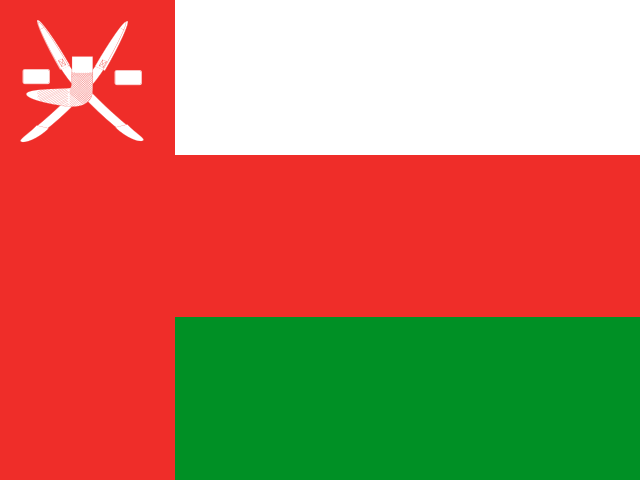
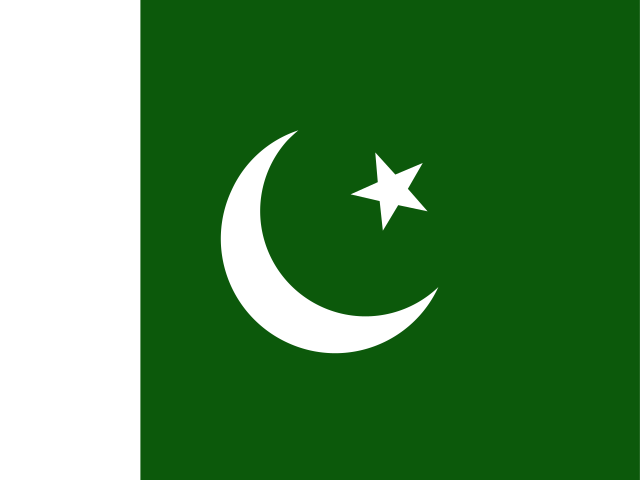
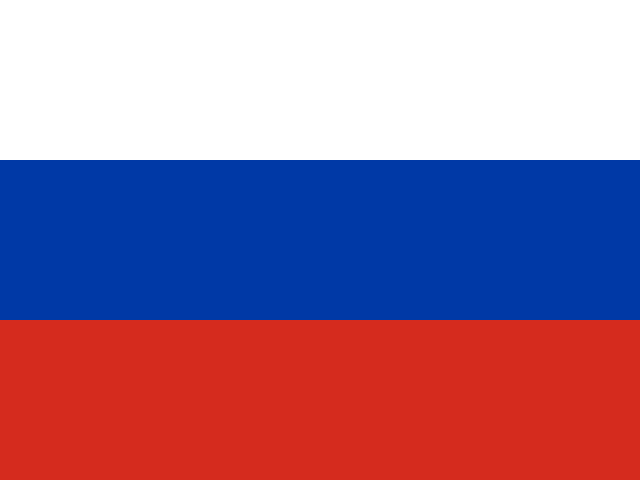
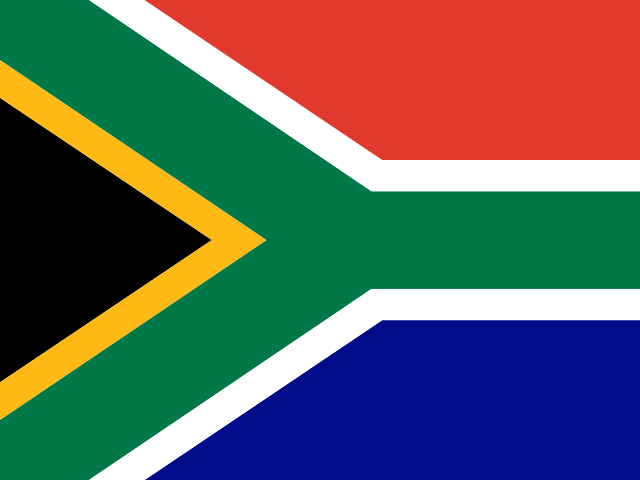
- Flags
- Proposed, and still open: no flag for a homeland state, or where the flag is contested. A neutral mark would take its place.
- Official feeds
- Agencies only: statistics, health, alerts, education, culture and international bodies. No feeds of heads of state, heads of government or parties.
- Official bodies
- Where a state's representation is contested, only practical public services are listed, marked: listing is not endorsement.
- Media
- Media under UN, EU or US sanctions are not listed. Other broadcasters are listed with a note that listing is not endorsement.
- לישאני
- No community language falls back to a state language.
- Funding
- Funding buys no say in what is published, taught or decided.
Rests on these decisions:
- D16 Country flags on pages. Decided 2026-11-06
- D32 May the Site Kit refresh official feeds automatically, which changes published pages without a new build. Decided 2026-10-23
- D34 Fallback language when a page has no version in the reader's language. Decided 2026-10-23
- D35 Official bodies of Afghanistan, Iran, Syria and Venezuela in the service directories. Decided 2026-10-23
- D39 Language platform. Decided 2026-10-23
- D64 Support for the organisation. Decided 2026-11-01
Limits
- Hate speech against any people or faith, whoever it targets.
- Calls to violence, or praise of it.
- Raising money for a party, or electoral activity, under the network's name.
- Inferring or recording members' political opinions.
What the rule draws on
- IFCN Code of Principles: non-partisanship and fairness. One standard for every side.
- SPJ Code of Ethics: act independently. Avoid conflicts and political activity that compromise integrity.
The rule draws on these texts. It claims conformance with neither.
A worked example
Note
For example, a member who drafts a heritage page about a historic event finds that two communities date and name it differently. The page names the dispute, gives each community's name and date with its source, and states only what both sources agree on in its own voice. Neither version is called the correct one.
Questions to discuss
- What is the difference between being neutral and being indifferent? Where does the charter draw the line?
- How can placement or tone favour one side even when every fact is right?
- Which subject in your community is hardest to write about neutrally? What sources would each side accept?
- Why does the network never record members' political views, even to balance a debate?