 Written by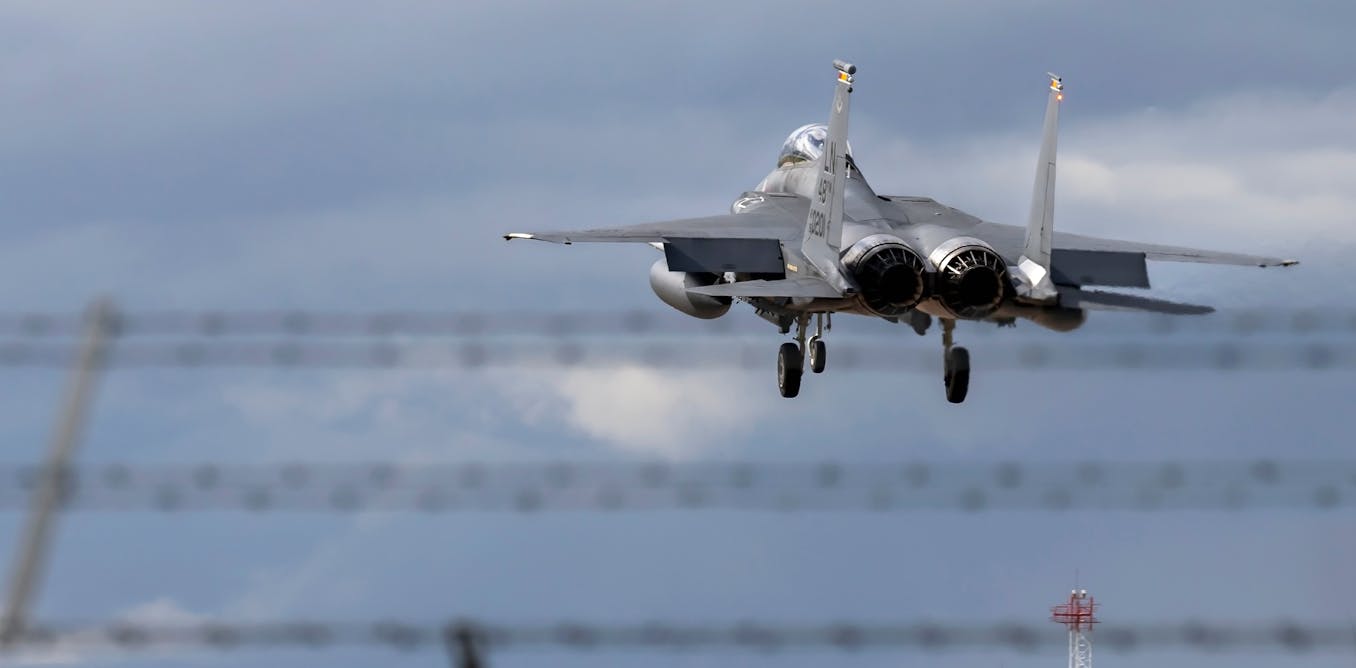
By Damian Tobin, Lecturer in International Business, University College Cork Nato leaders agreed to ramp up defence spending to 5% of their countries’ economic output by 2035 at a summit … Continue reading “Nato leaders pledge increased defence spending – is this really the price for peace and prosperity?”
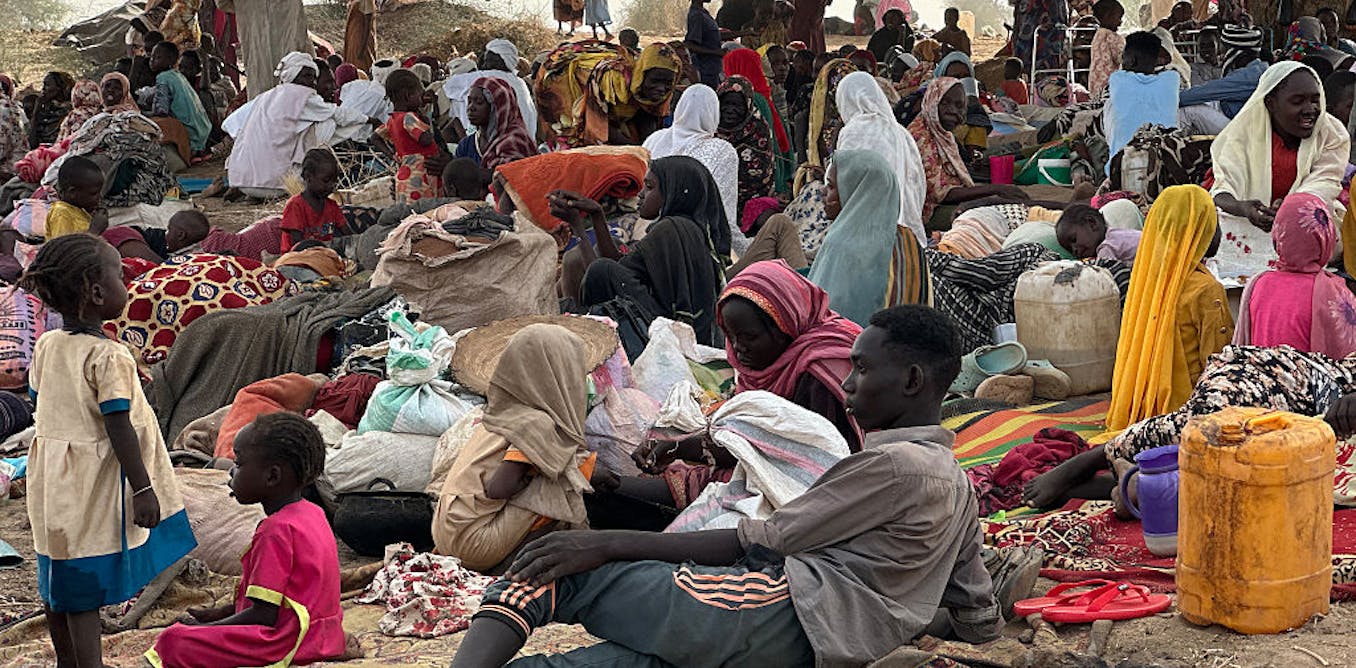
By John Mukum Mbaku, Professor, Weber State University The war between the Sudanese Armed Forces and the Rapid Support Forces has raged since April 2023. It’s turned Sudan into the … Continue reading “foreign interests are deepening a devastating war – only regional diplomacy can stop them”
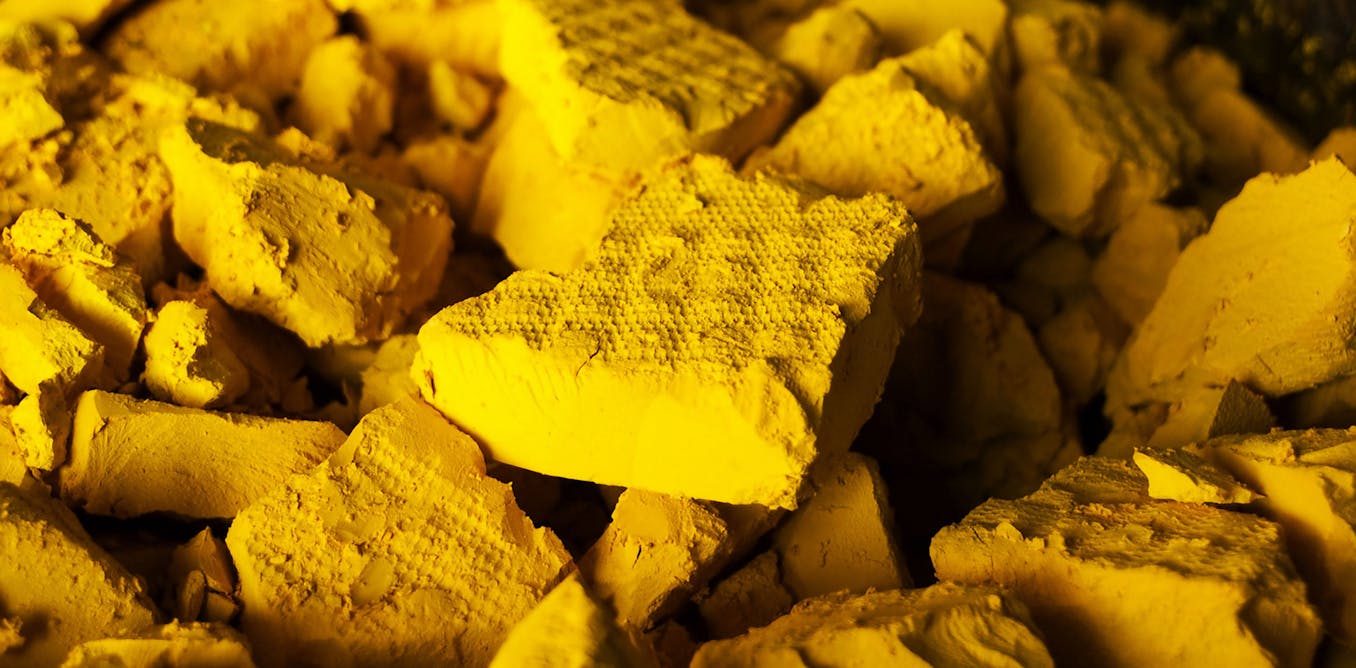
By André O. Hudson, Dean of the College of Science, Professor of Biochemistry, Rochester Institute of Technology When most people hear the word uranium, they think of mushroom clouds, Cold … Continue reading “A chemist explains how the surprisingly common element is processed to power reactors and weapons”
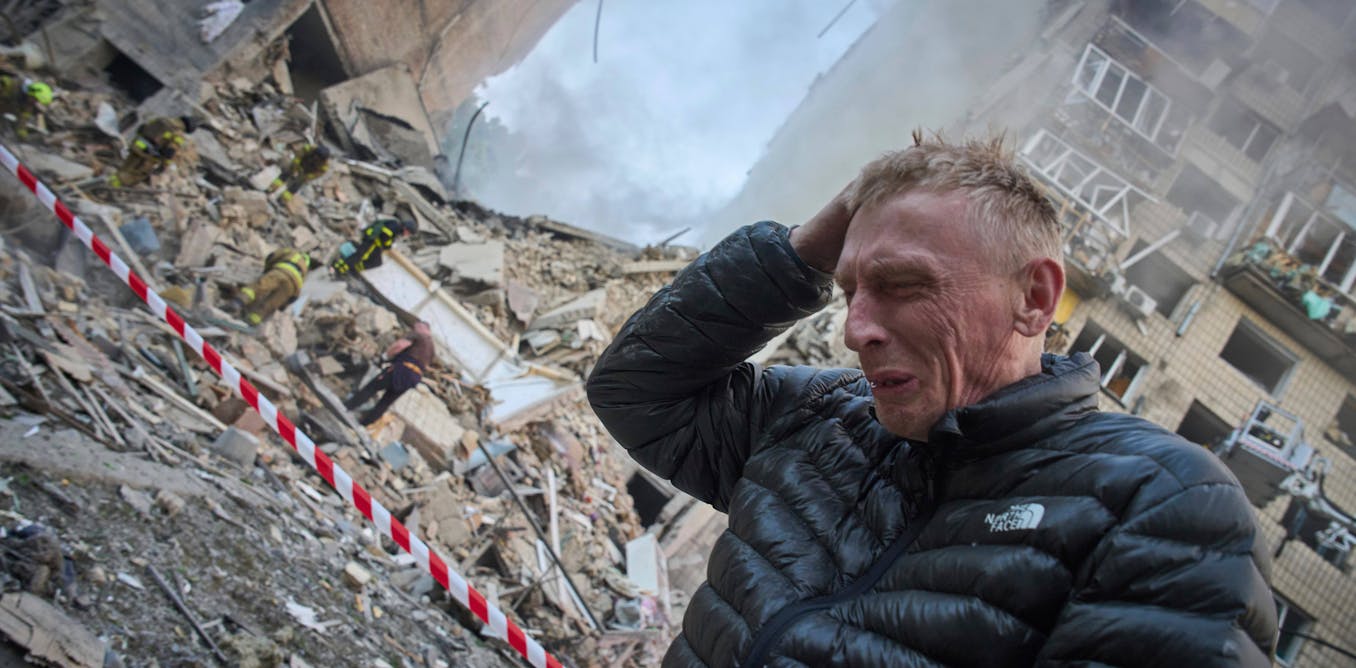
By Kevin Foster, Associate Professor, School of Languages, Literatures, Cultures and Linguistics, Monash University Over the past decade or so, the weapons, channels and terrain of conflict have radically changed. … Continue reading “Technology is transforming the face of modern warfare, but some things never change”
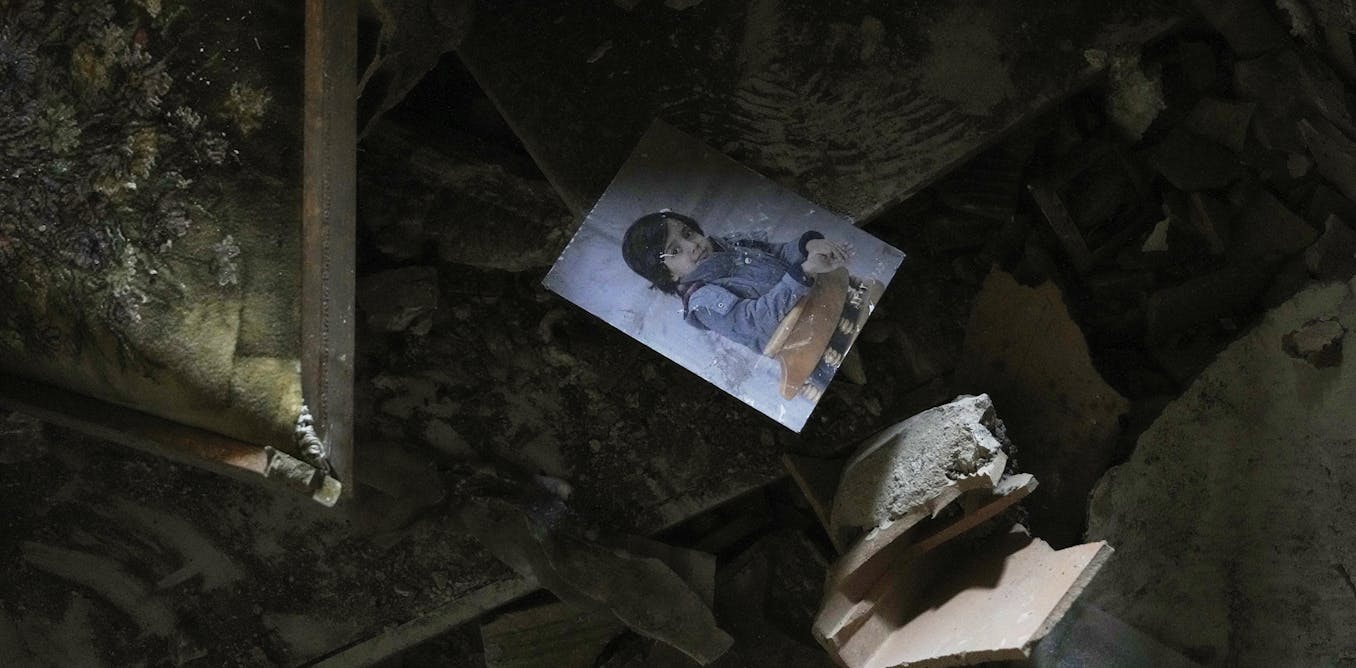
By Spyros A. Sofos, Assistant Professor in Global Humanities, Simon Fraser University Israel’s recent strikes on Iranian territory have been widely framed as an act of deterrence or yet another … Continue reading “How Israel’s domestic crises and Netanyahu’s aim to project power are reshaping the Middle East”
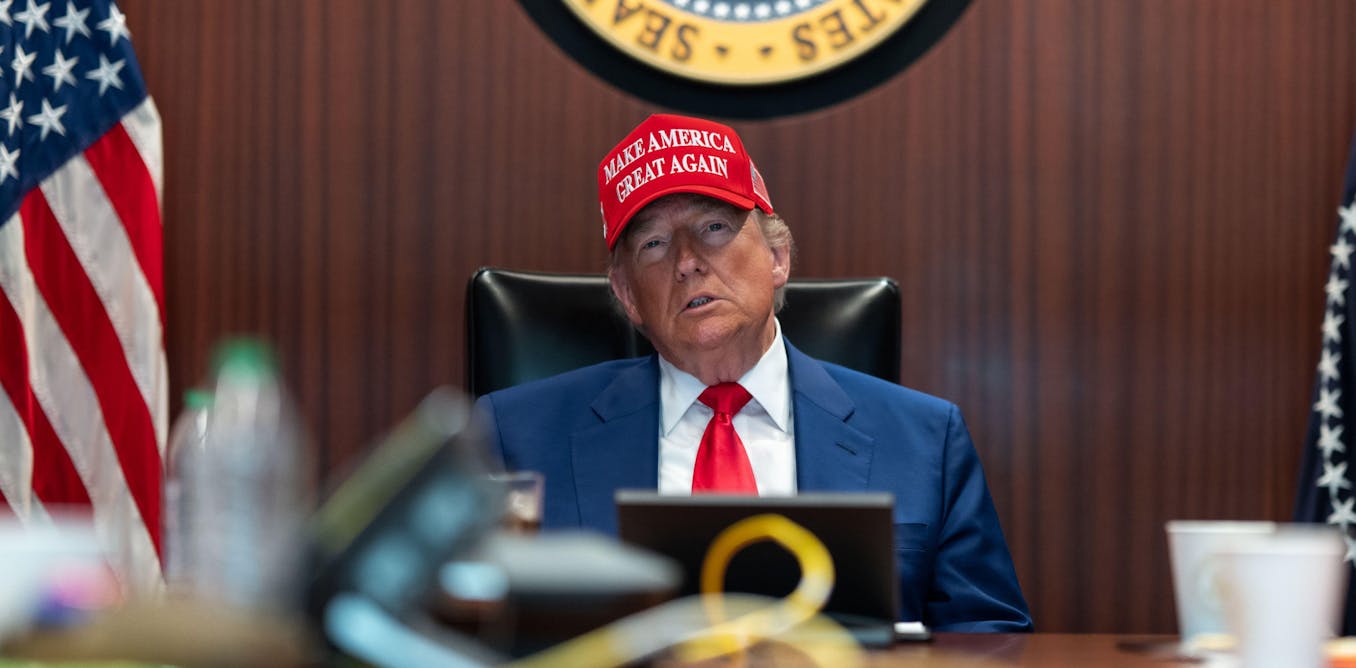
By Natasha Lindstaedt, Professor in the Department of Government, University of Essex During Donald Trump’s first term, he made clear that he wanted his foreign policy to be as unpredictable … Continue reading “Will Trump’s high-risk Iran strategy pay dividends at home if the peace deal holds?”
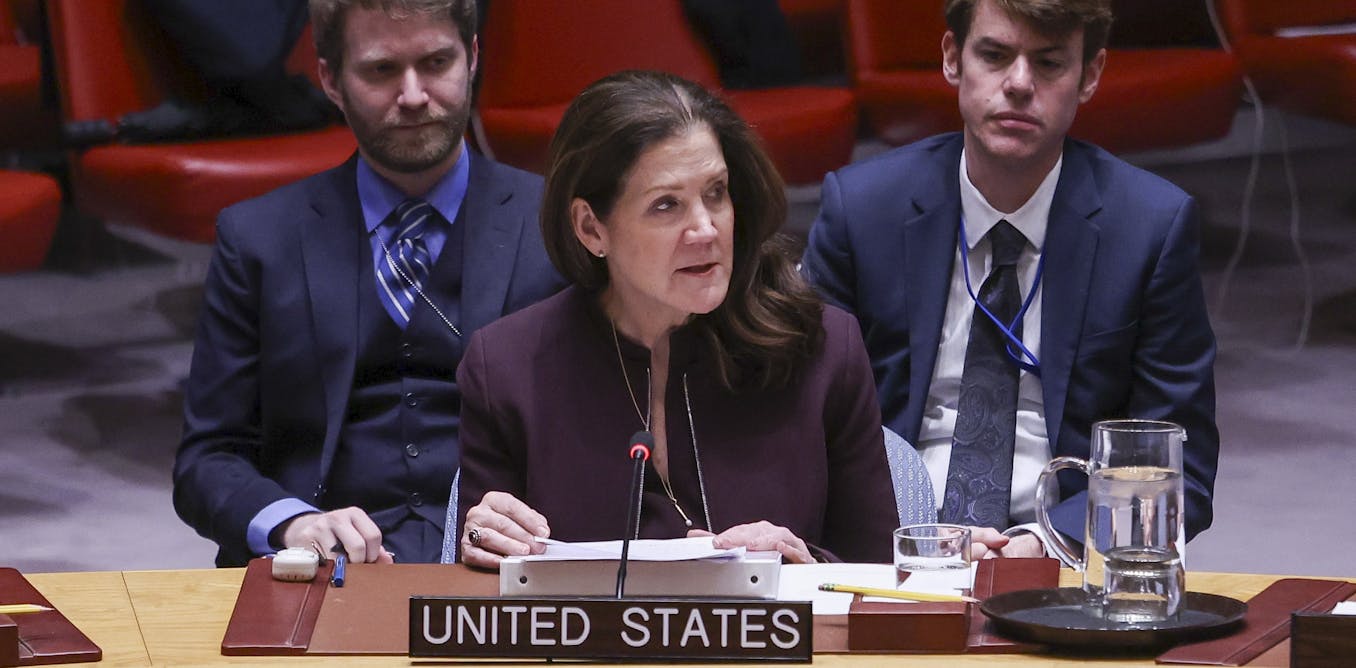
By Caleb H. Wheeler, Senior Lecturer in Law, Cardiff University The recent US attack on Iran’s nuclear sites has prompted renewed questions about whether the UN charter’s prohibition on the … Continue reading “has the UN charter failed?”
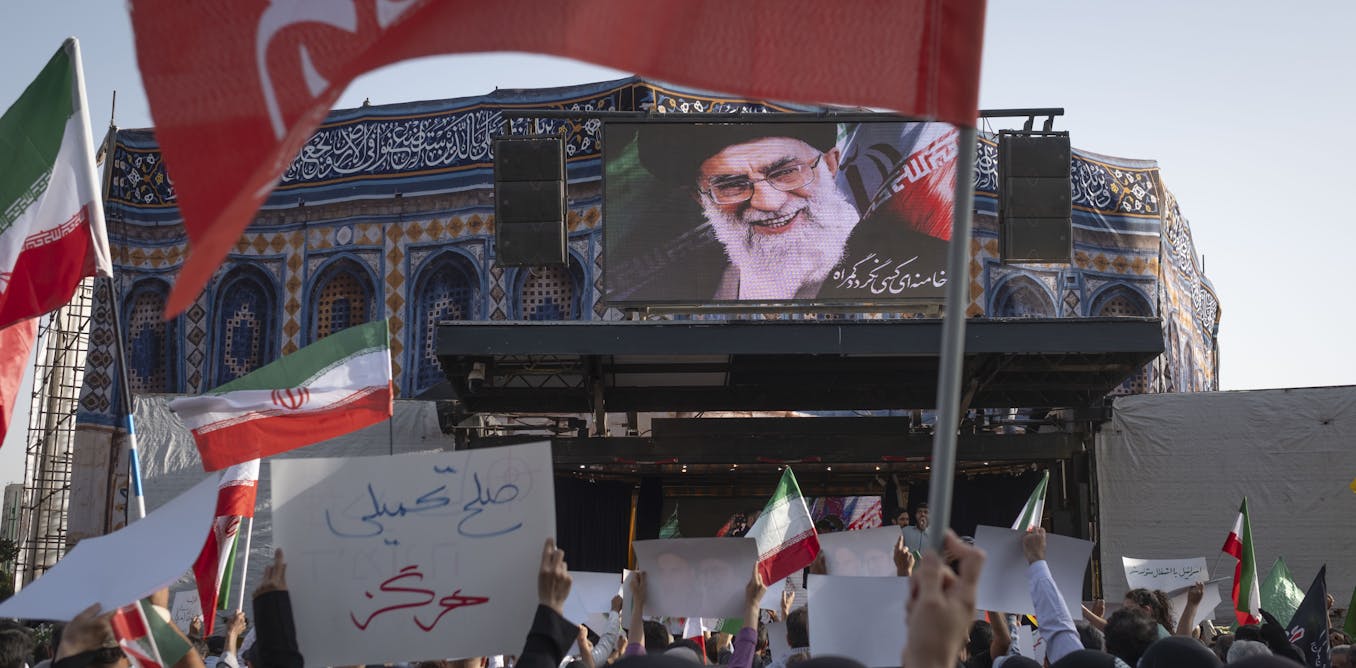
By Gregory F. Treverton, Professor of Practice in International Relations, USC Dornsife College of Letters, Arts and Sciences The Trump administration’s decision to bomb Iran dramatically marks the now nearly … Continue reading “What happens next in US-Iran relations will be informed by the two countries’ shared history”
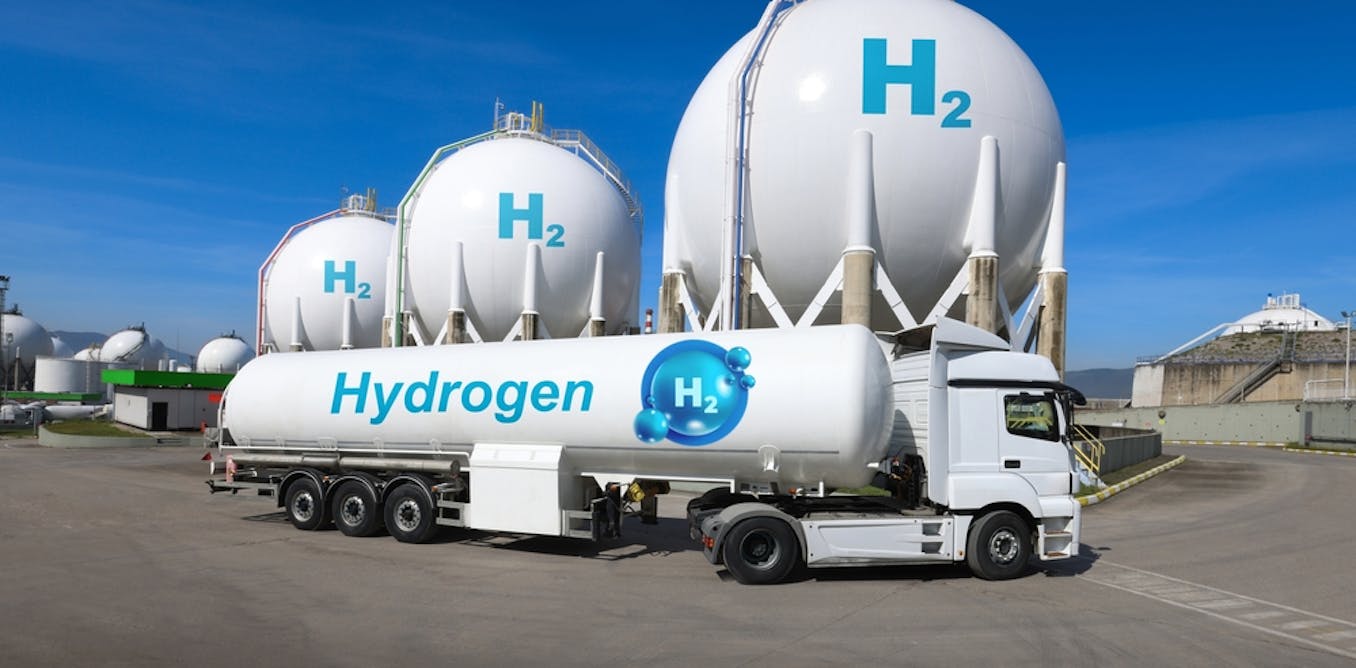
By Mulako Dean Mukelabai, PhD Student, Loughborough University Zambia, like many African countries, is facing a crisis over clean cooking fuel. Over 80% of the population still relies on polluting … Continue reading “study suggests how to fix this”
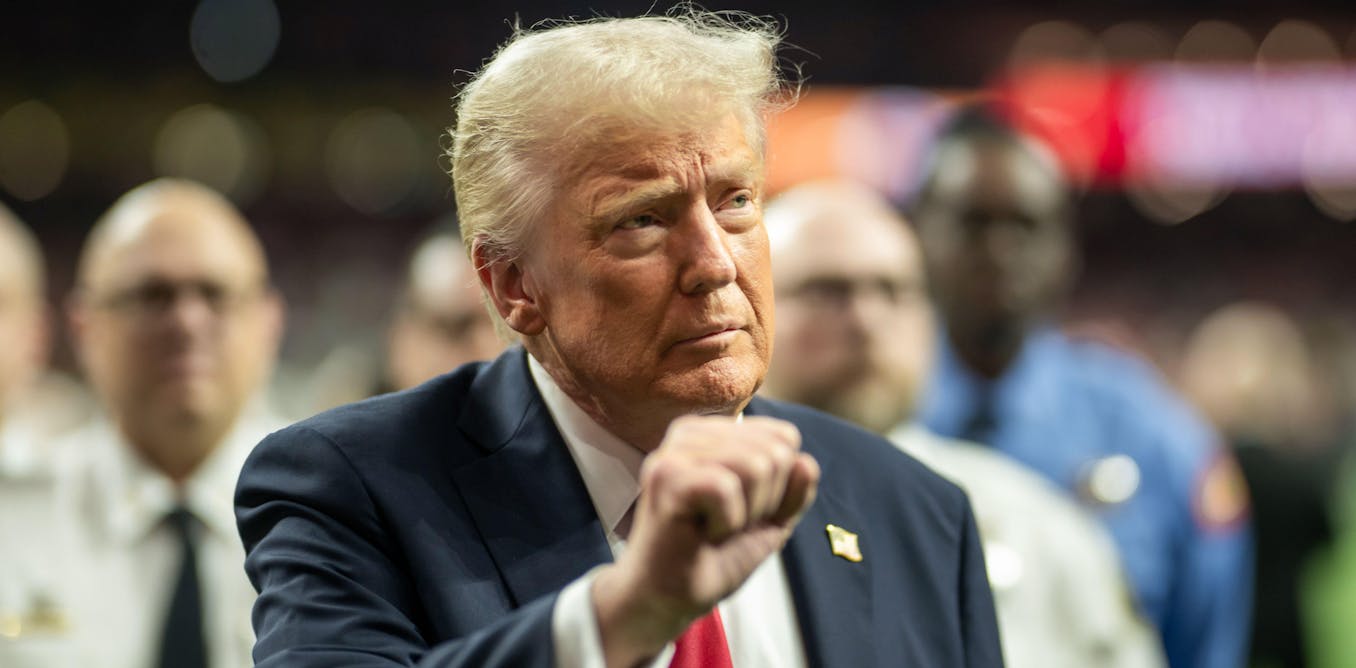
By Geoff Beattie, Professor of Psychology, Edge Hill University Donald Trump’s latest forthright outburst was made as part of his attempts to create a peace deal with Iran and Israel. … Continue reading “a psychologist explains why the president makes fast and furious statements”