 Written by
By Andrew Latham, Professor of Political Science, Macalester College The latest escalation in the Middle East is in many ways the inevitable culmination of a long-simmering rivalry. Iran’s pursuit of nuclear weapons capability and Israel’s determination to stop that from happening meant that such an outcome was always in the cards. But it also provides … Continue reading “How Israel, Iran and the US risk becoming prisoners to policies”
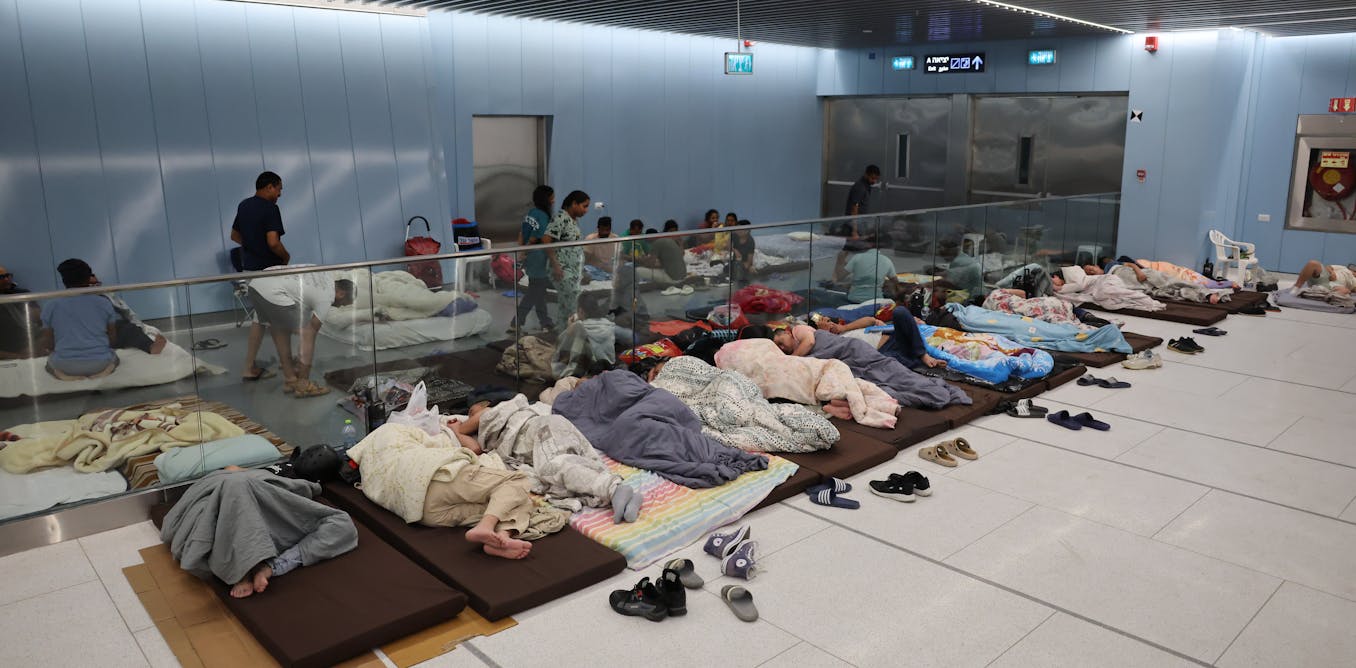
By Jane McAdam, Scientia Professor and ARC Laureate Fellow, Kaldor Centre for International Refugee Law, UNSW Sydney As thousands of Australian citizens and permanent residents stuck in Iran and Israel continue to register for repatriation flights, the government is scrambling to find safe ways to evacuate them. With the airspace over both countries closed, the … Continue reading “Australian citizens in Iran and Israel are desperate to leave. Is the government required to help?”
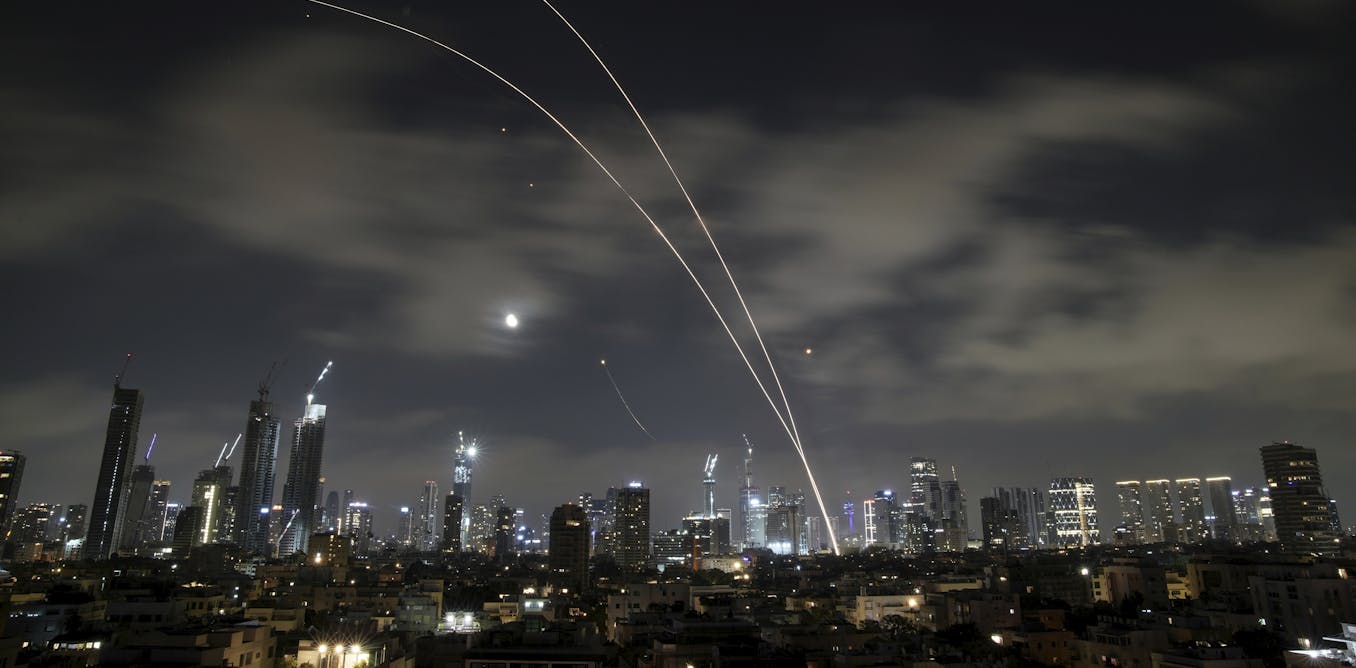
By James Horncastle, Assistant Professor and Edward and Emily McWhinney Professor in International Relations, Simon Fraser University As the war between Israel and Iran escalates, Israel is increasing its calls on the United States to become involved in the conflict. Former Israeli officials are appearing on U.S. news outlets, exhorting the American public to support … Continue reading “Why Israel — and potentially the U.S. — are sure to encounter the limits of air power in Iran”

By Geraint Hughes, Reader in Diplomatic and Military History, King’s College London At the time of writing, US President Donald Trump is deliberating over whether to join Israel’s air campaign to destroy Iran’s suspected nuclear weapons programme. This is already a contentious issue within Washington DC and the Trump administration. But if the president decides … Continue reading “What UK involvement in Iran could look like – and the political questions it raises”
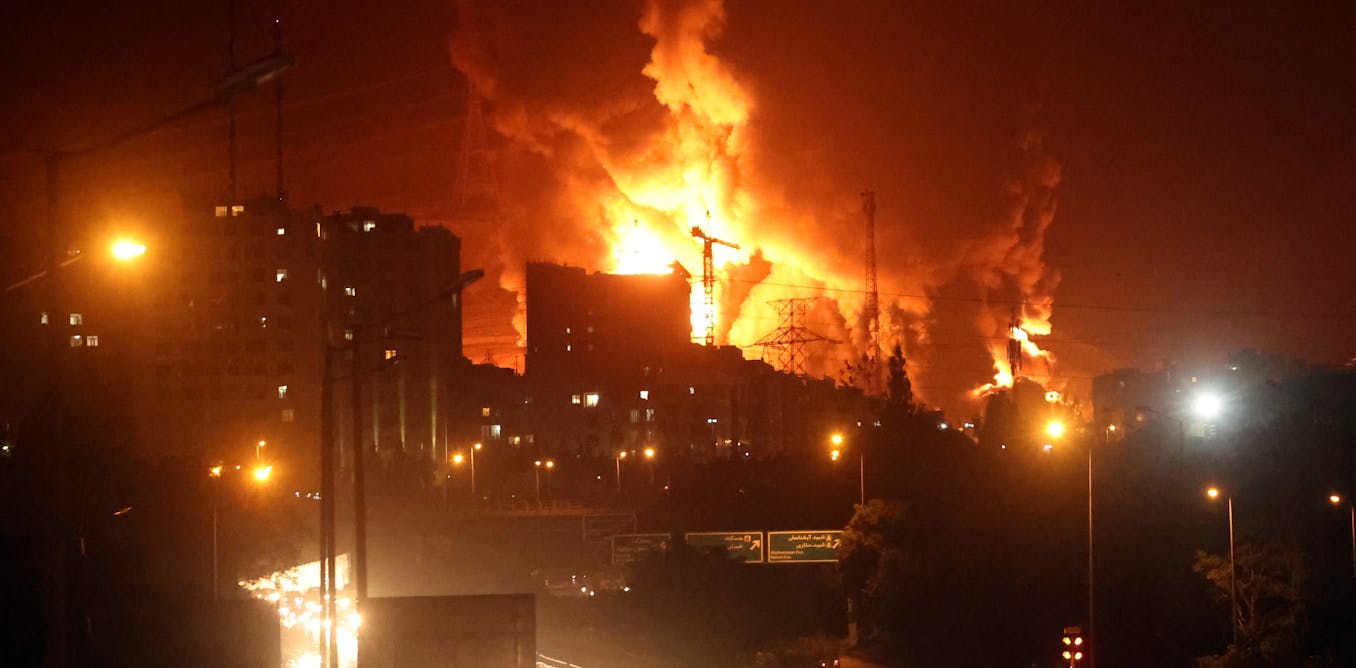
By Joaquin Vespignani, Associate Professor of Economics and Finance, University of Tasmania The weekend attacks on Iran’s oil facilities – widely seen as part of escalating hostilities between Israel and Iran – represent a dangerous moment for global energy security. While the physical damage to Iran’s production facilities is still being assessed, the broader strategic … Continue reading “Israel’s attacks on Iran are already hurting global oil prices, and the impact is set to worsen”
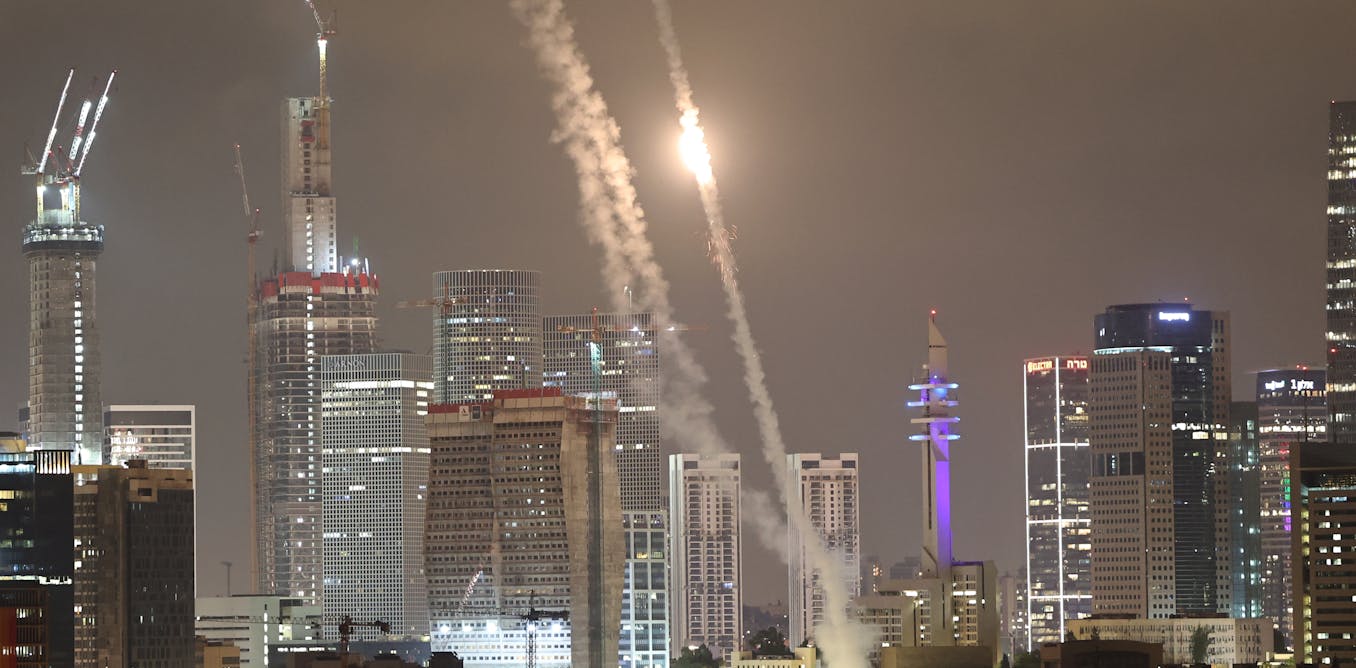
By Ian Parmeter, Research Scholar, Middle East Studies, Australian National University Israeli Prime Minister Benjamin Netanyahu has said Israel’s attack on Iran’s nuclear facilities could last for at least two weeks. His timing seems precise for a reason. The Israel Defence Forces and the country’s intelligence agencies have clearly devised a methodical, step-by-step campaign. Israeli … Continue reading “destroying Iran’s nuclear program and regime change. Are either achievable?”
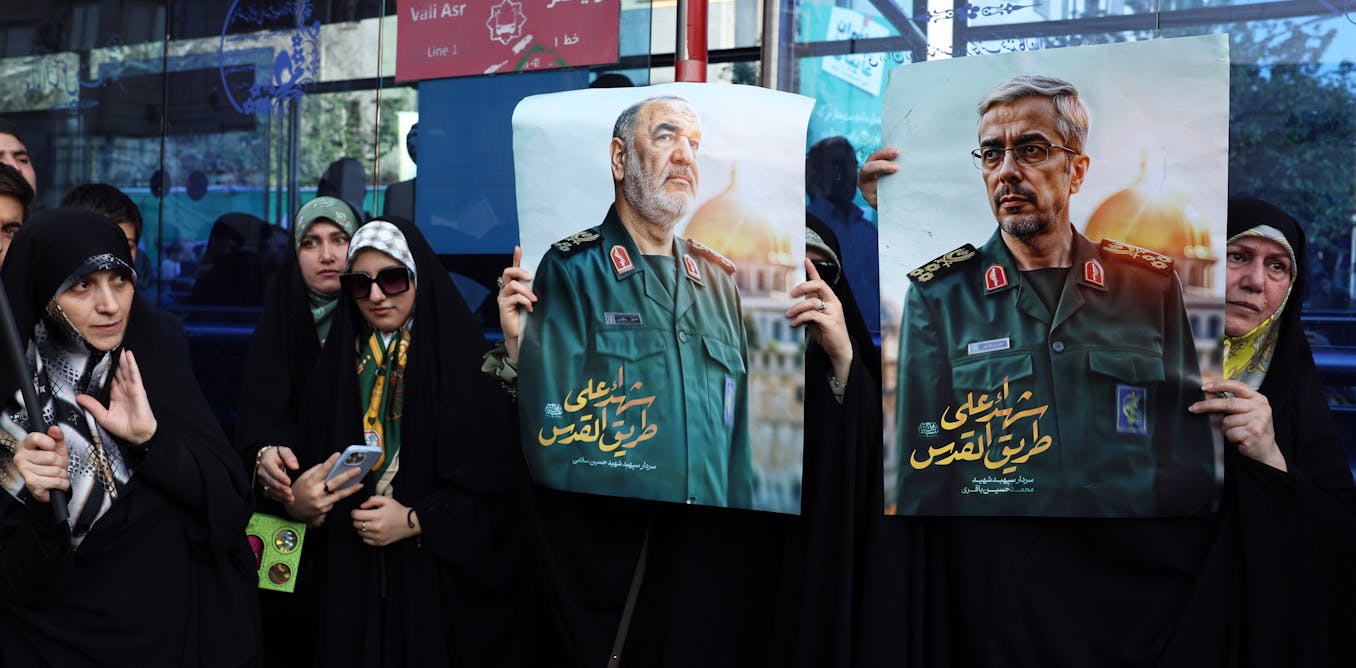
By Matt Fitzpatrick, Professor in International History, Flinders University In the late 1960s, the prevailing opinion among Israeli Shin Bet intelligence officers was that the key to defeating the Palestinian Liberation Organisation was to assassinate its then-leader Yasser Arafat. The elimination of Arafat, the Shin Bet commander Yehuda Arbel wrote in his diary, was “a … Continue reading “from the Middle East to America, history shows you cannot assassinate your way to peace”
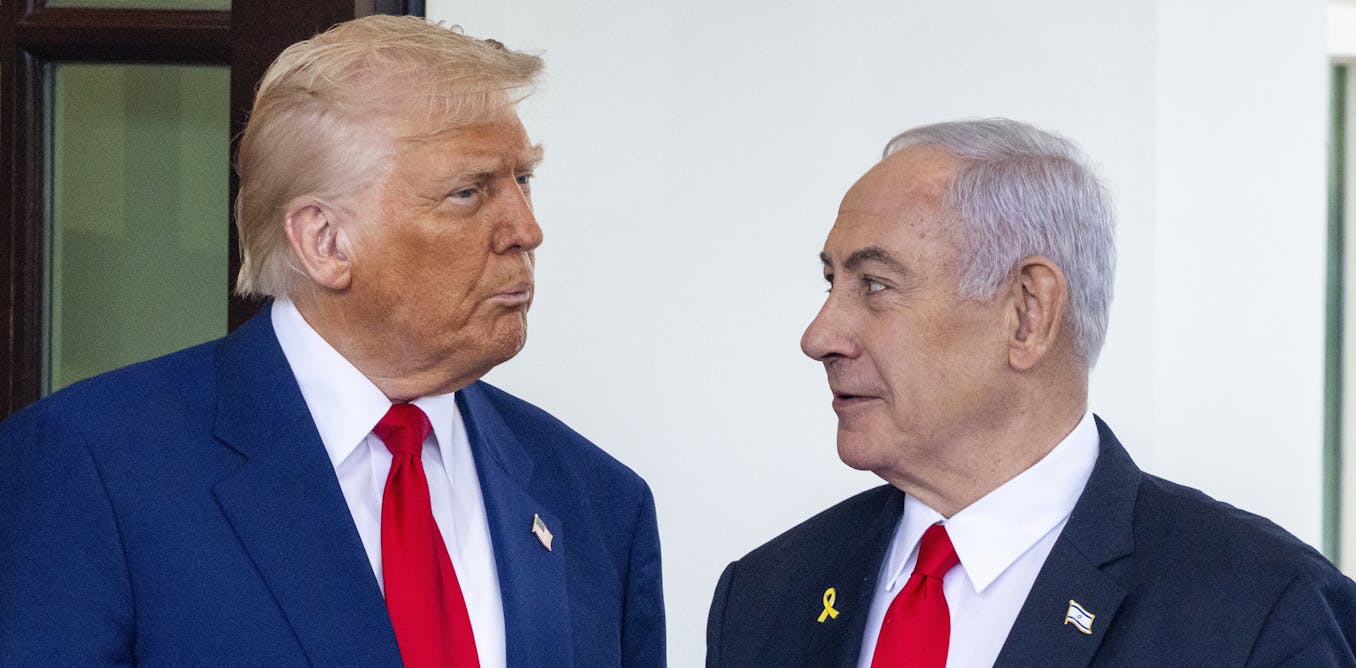
By Brian Brivati, Visiting Professor of Contemporary History and Human Rights, Kingston University Israel’s large-scale attack against Iran on June 13, which it conducted without UN security council approval, has prompted retaliation from Tehran. Both sides have traded strikes over the past few days, with over 200 Iranians and 14 Israelis killed so far. The … Continue reading “why 2025 is a turning point for the international order”
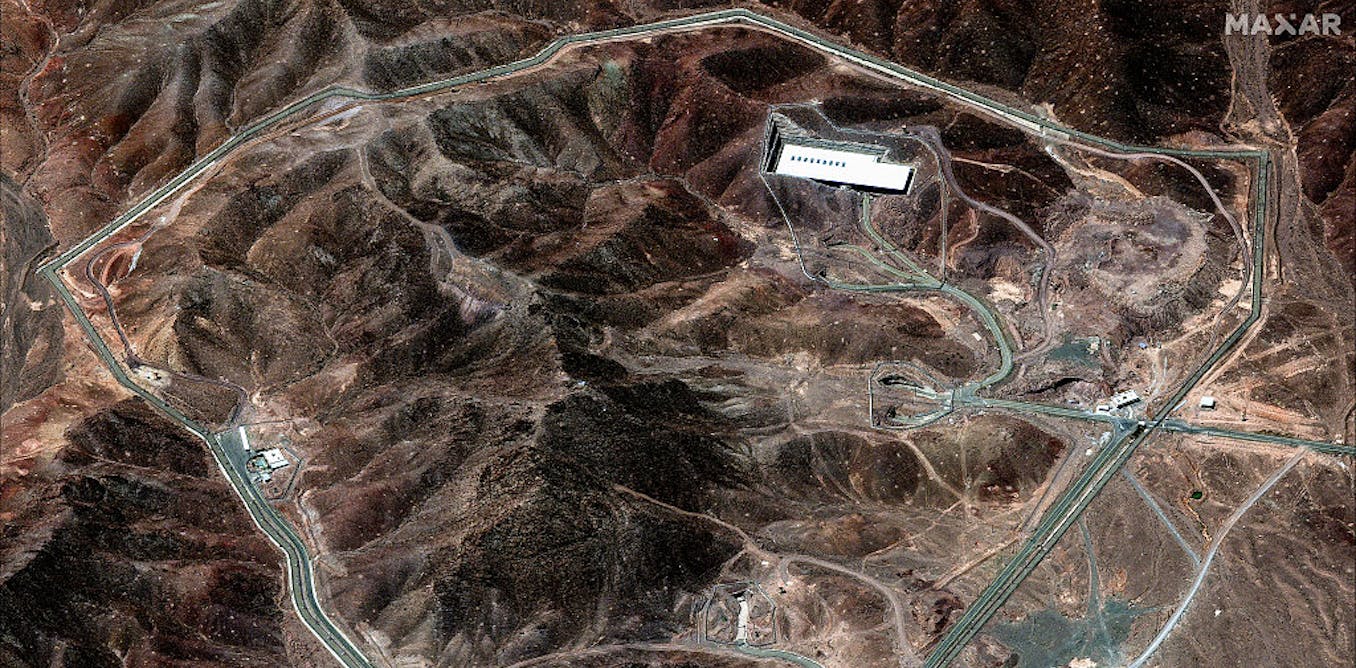
By Benjamin Zala, Senior Lecturer, Politics & International Relations, Monash University Conflict between Israel and Iran is intensifying, after Israeli airstrikes on key nuclear sites and targeted assassinations last week were followed by counter-strikes by Iran on Israel. These attacks have come at a moment of growing concern over Iran’s nuclear program, and have prompted … Continue reading “Why is there so much concern over Iran’s nuclear program? And where could it go from here?”
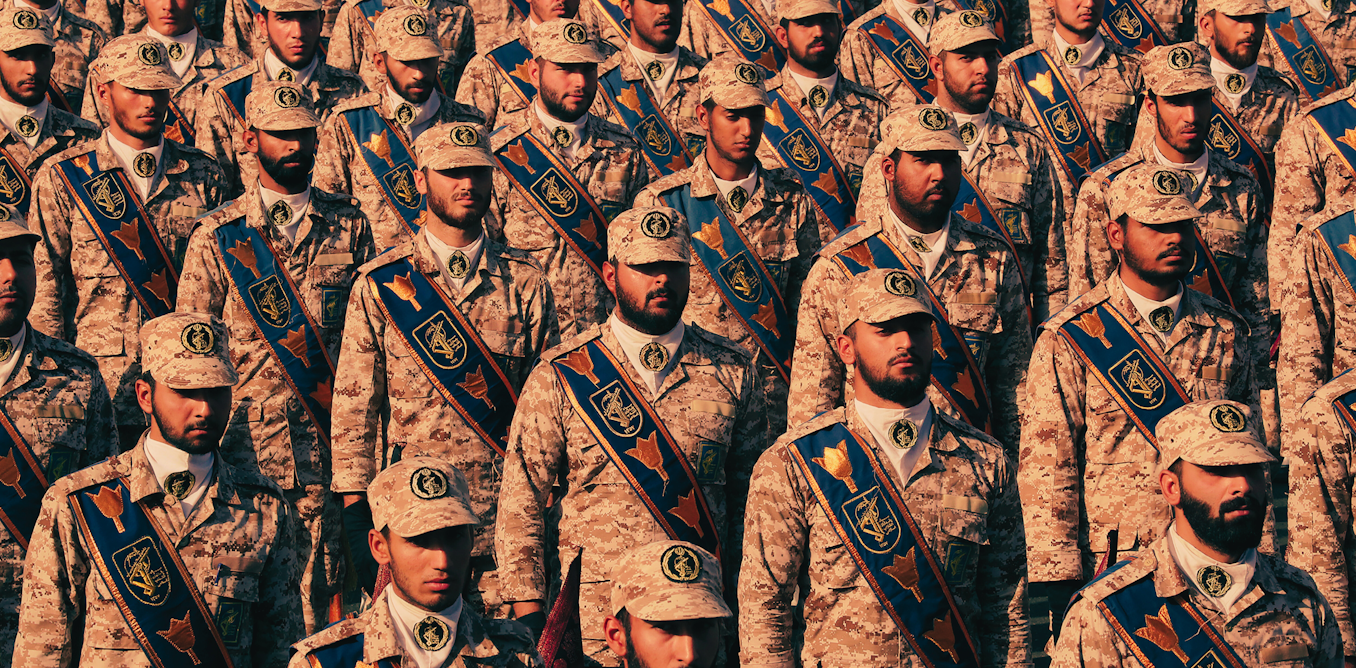
By Andrew Thomas, Lecturer in Middle East Studies, Deakin University The timing and targets of Israel’s attacks on Iran tell us that Prime Minister Benjamin Netanyahu’s short-term goal is to damage Iran’s nuclear facilities in order to severely diminish its weapons program. But Netanyahu has made clear another goal: he said the war with Iran … Continue reading “Regime change wouldn’t likely bring democracy to Iran. A more threatening force could fill the vacuum”