 Written by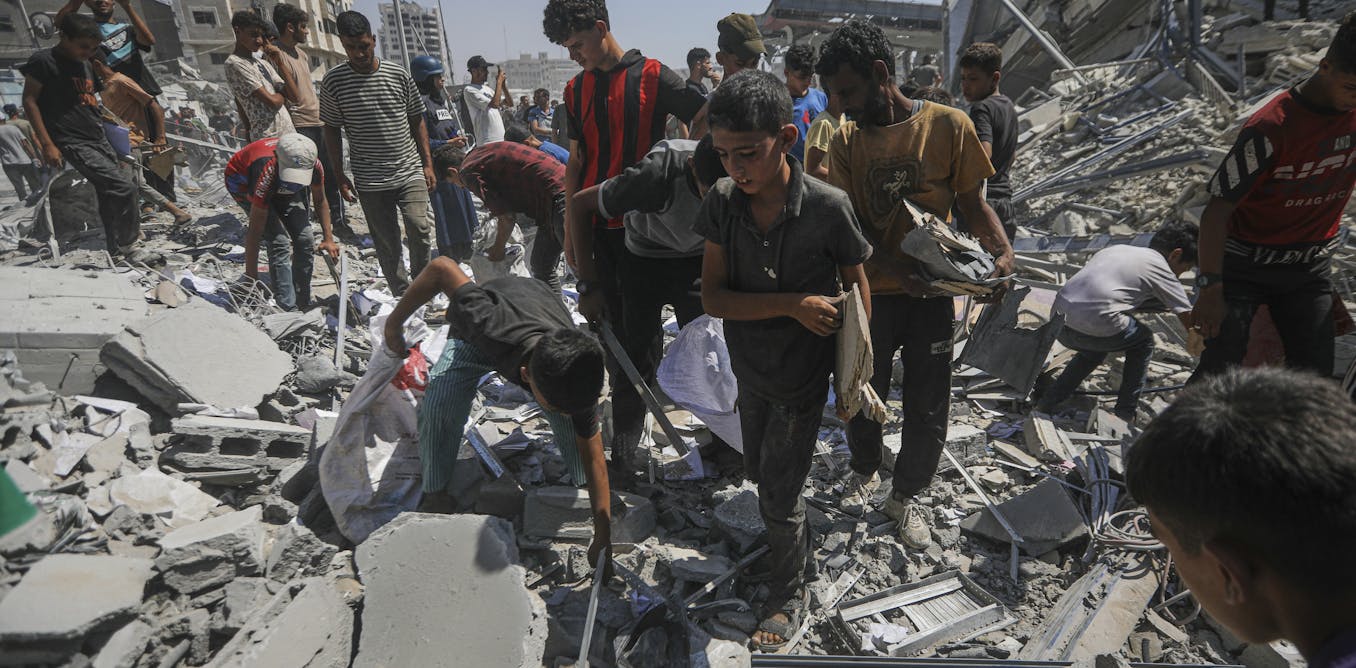
By Jeremy Wildeman, Research Fellow at the Human Rights Research and Education Centre, University of Ottawa and Adjunct Assistant Professor, Carleton University Canada and Canadians have long considered themselves defenders of human rights, democracy, justice and the rule of law. Canada played a significant role in the development of what’s known as the liberal international … Continue reading “Canada’s response to the war in Gaza raises questions about its commitment to human rights and justice”
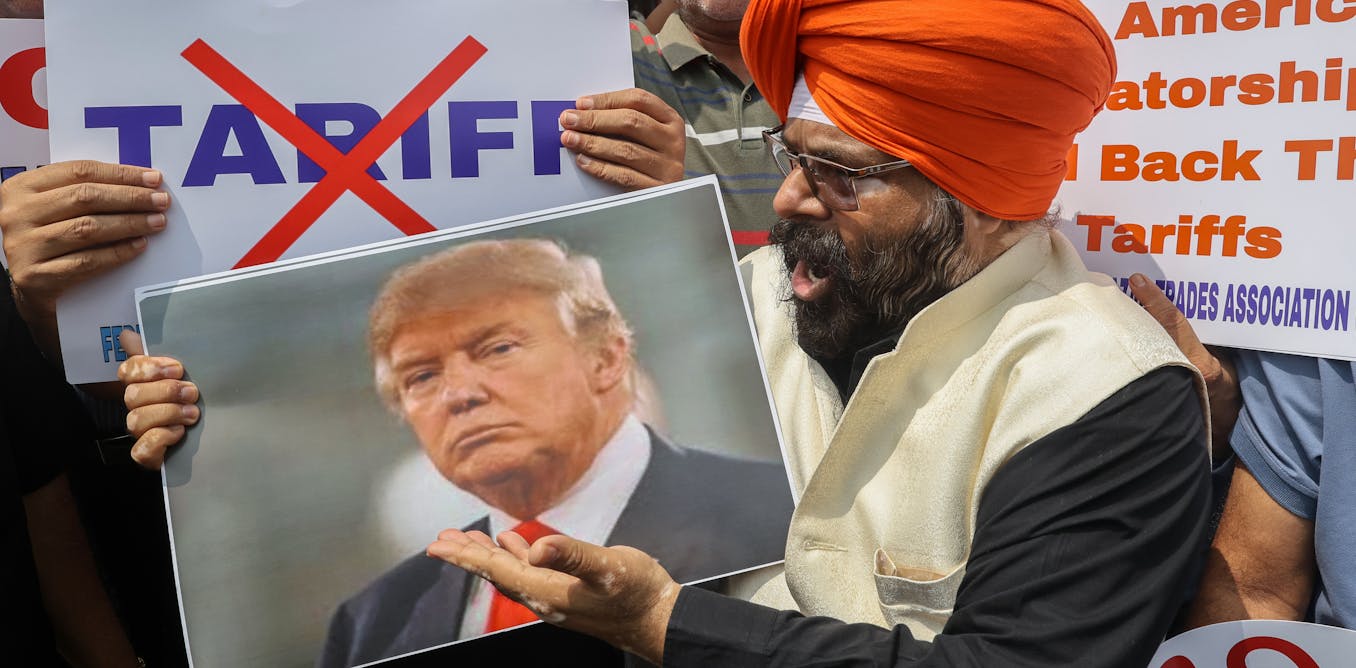
By Sambit Bhattacharyya, Professor of Economics, University of Sussex Business School, University of Sussex Donald Trump’s tariff policy seems to have morphed into as much of a tool of foreign policy as an economic strategy. But the administration’s decision to impose a 50% tariff on India, a key US ally as part of the Quad … Continue reading “Why Trump’s fight with India could have global repercussions”
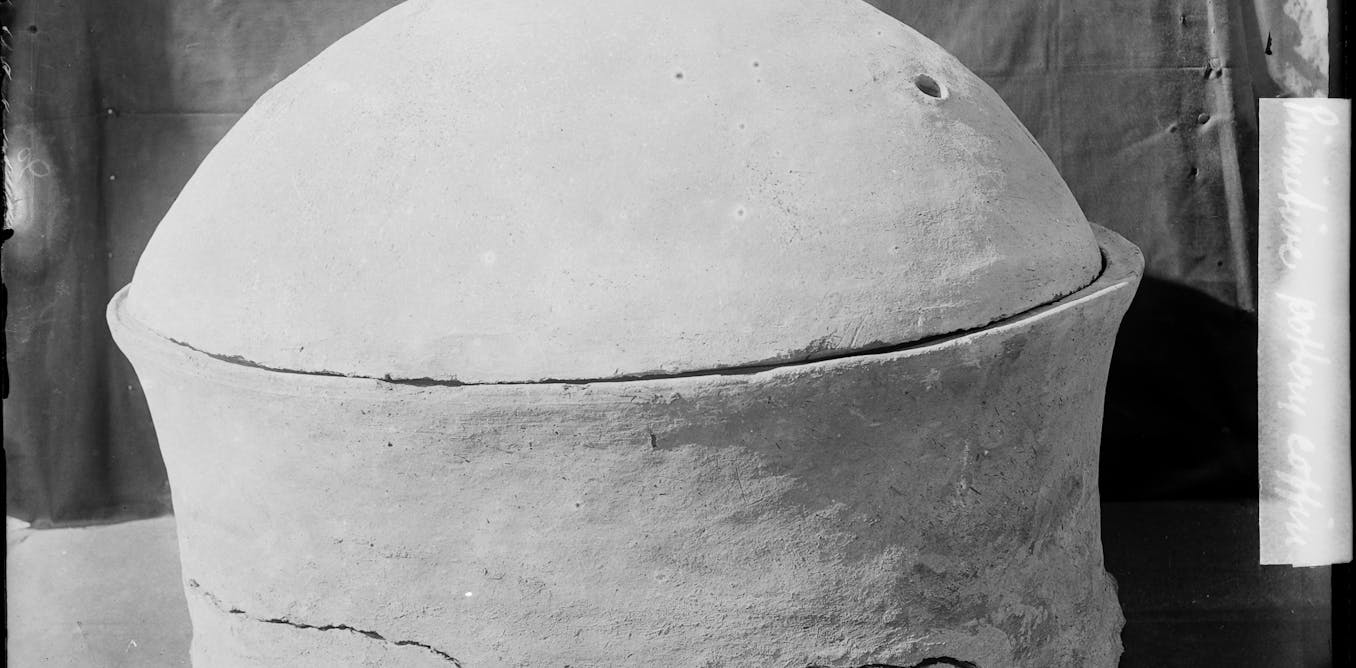
By Adeline Morez Jacobs, Postdoctoral researcher, University of Padova (Italy); visiting lecturer, Liverpool John Moores University (UK), University of Padua A group of scientists has sequenced the genome of a man who was buried in Egypt around 4,500 years ago. The study offers rare insight into the genetic ancestry of early Egyptians and reveals links … Continue reading “We decoded the oldest genetic data from an Egyptian, a man buried around 4,500 years ago – what it told us”
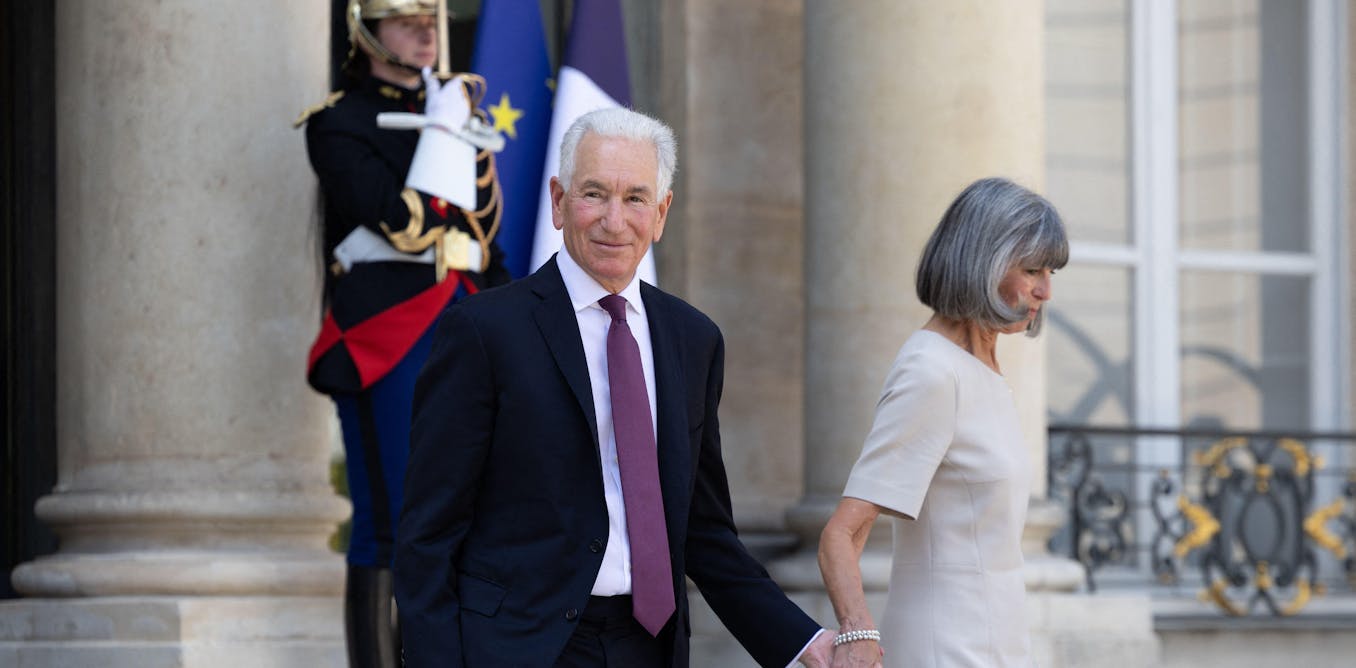
By Nicholas Westcott, Professor of Practice in Diplomacy, Dept of Politics and International Studies, SOAS, University of London The Trump administration’s policies are making life more complicated for US diplomats abroad. In the past few days, senior US diplomats in two friendly countries – France and Denmark – have been summoned to receive diplomatic protests … Continue reading “How the Trump administration changed the rules of international diplomacy – by a former British ambassador”
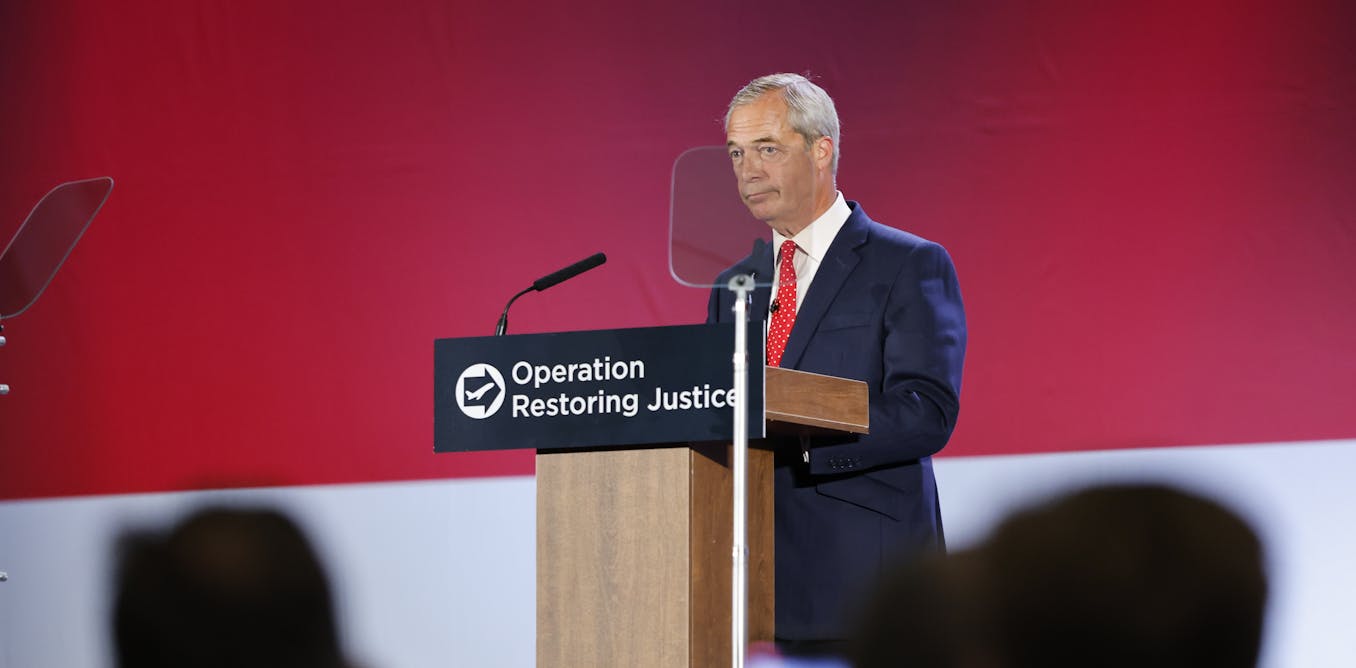
By Peter William Walsh, Researcher, The Migration Observatory, University of Oxford Speaking to the press in an airport hangar near Oxford on August 26, the leader of Reform UK, Nigel Farage, unveiled his party’s new policy on mass deportations. There are many elements to the policy, but fundamentally it is a decision to abandon the … Continue reading “The most radical part of Reform’s deportation plans”
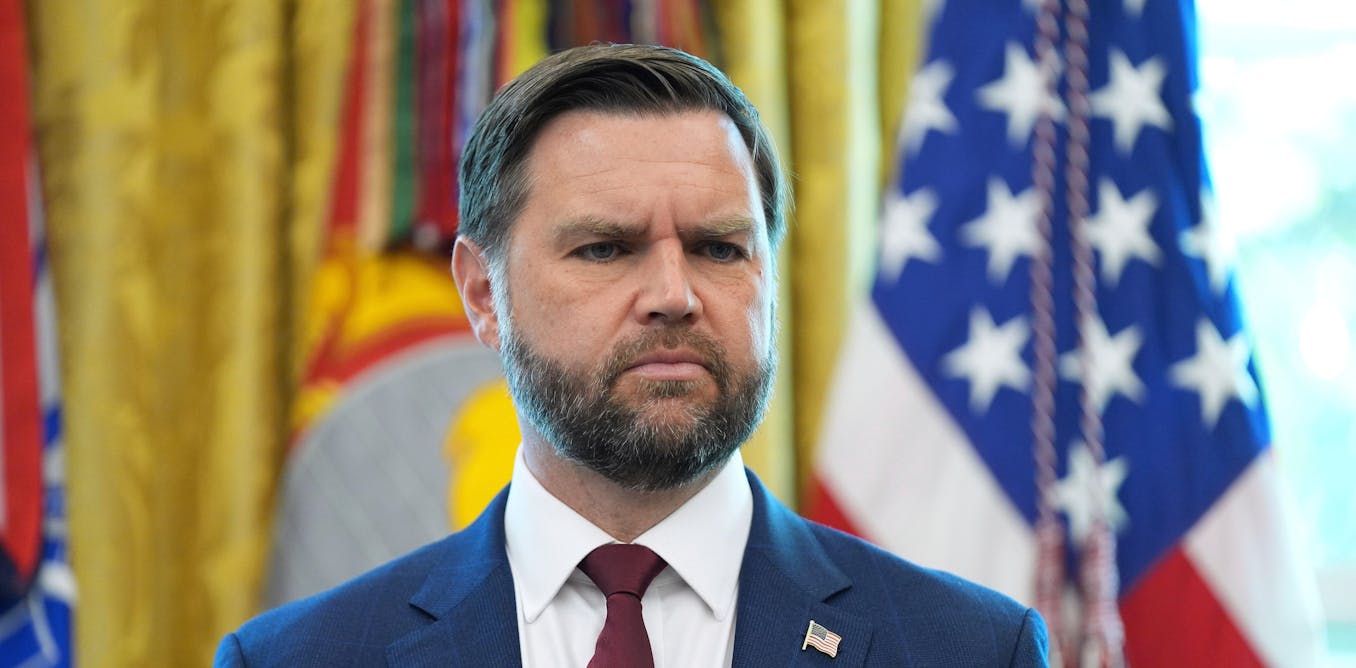
By Chris Smith, Course Director, History, Coventry University In a recent Meet the Press interview, the vice-president of the US, J.D. Vance, argued in relation to Russia’s illegal invasion of Ukraine: “This is how wars ultimately get settled. If you go back to world war two, if you go back to world war one, if … Continue reading “J.D. Vance is wrong about history – here’s why this matters for Ukraine”
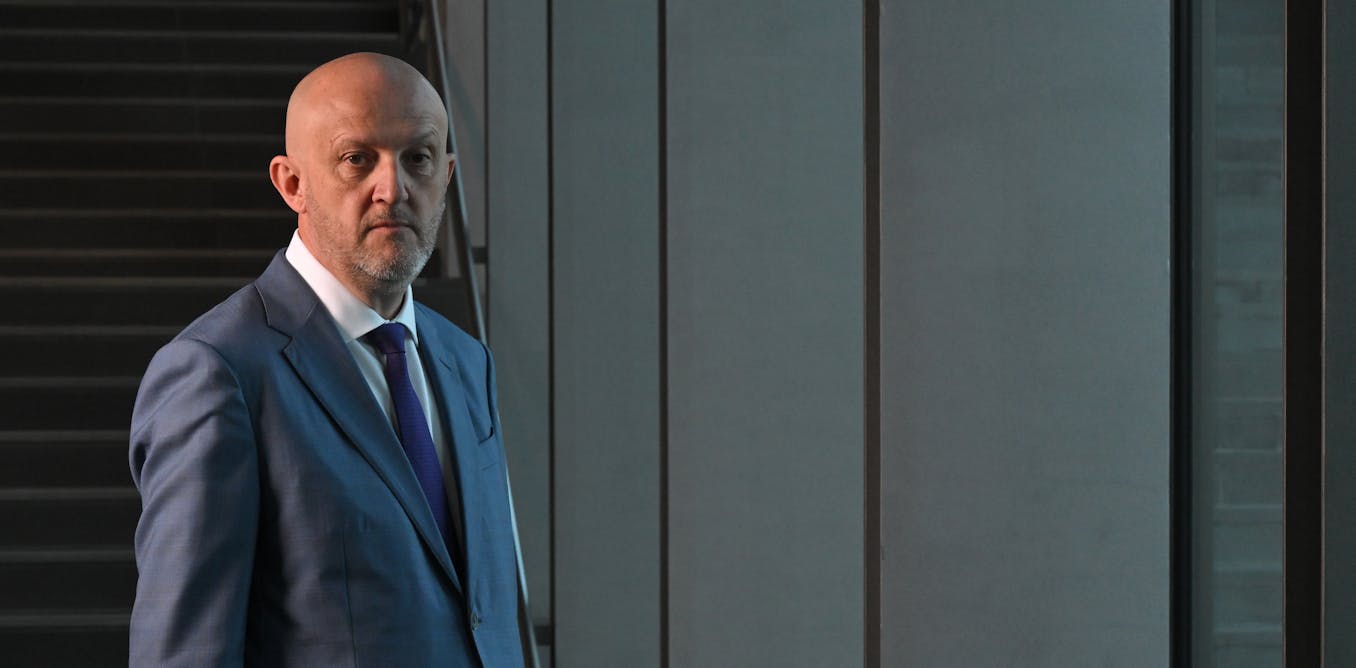
By Michelle Grattan, Professorial Fellow, University of Canberra If the intelligence community had its Logies, ASIO chief Mike Burgess would be chasing gold this week. The director-general of security, who is better known than some junior ministers, appeared beside Prime Minister Anthony Albanese on Tuesday as they revealed how ASIO identified Iran as behind at … Continue reading “Mike Burgess, the spycatcher who gives ASIO a very public face”
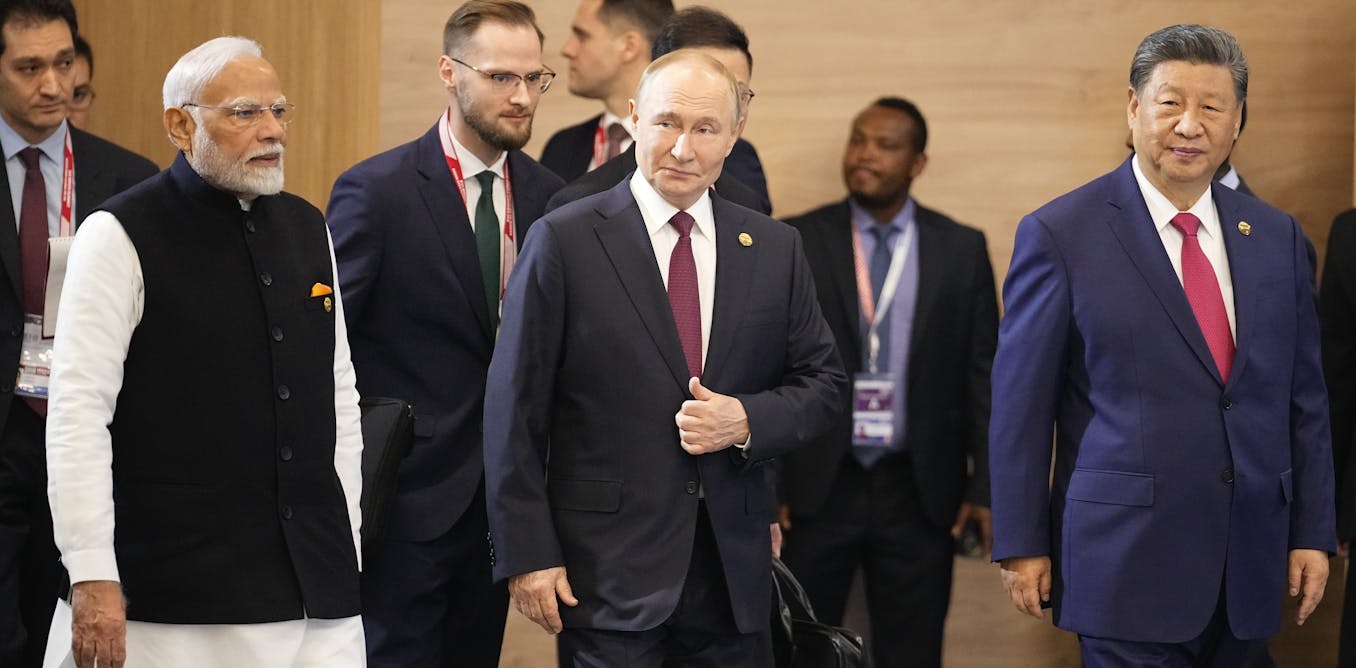
By Stefan Wolff, Professor of International Security, University of Birmingham The upcoming summit of the Shanghai Cooperation Organization (SCO) in Tianjin, China, from August 31 to September 1, will be the organisation’s largest gathering of heads of state to date. It comes at a time when the existing liberal international order is rapidly disintegrating. But … Continue reading “Xi, Putin and Modi to meet in China – but don’t expect their Eurasian bloc summit to agree on anything important”
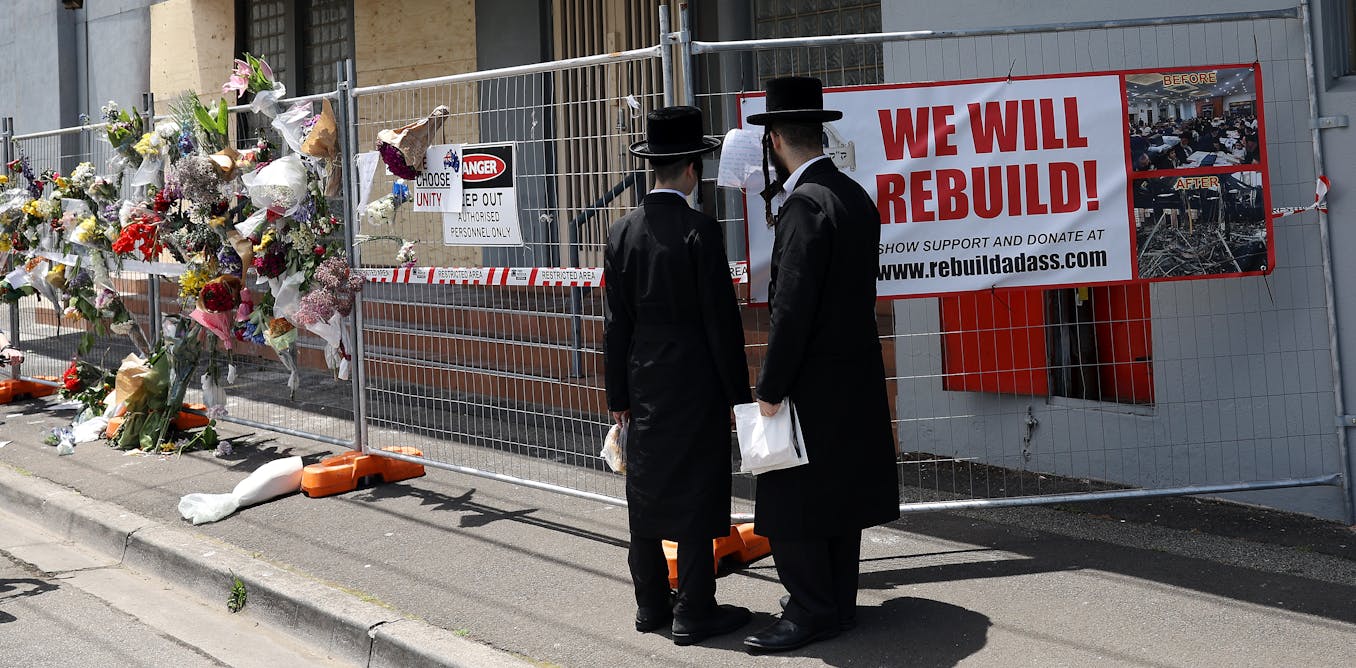
By Justin Bergman, International Affairs Editor, The Conversation Prime Minister Anthony Albanese has called Iran’s involvement in at least two antisemitic attacks in Australia last year “extraordinary and dangerous acts of aggression”. Foreign Minister Penny Wong said it “crossed a line”. We asked Kylie Moore-Gilbert, a Middle East scholar who was imprisoned by Iran for … Continue reading “this is why Iran is instigating terrorism in Australia”
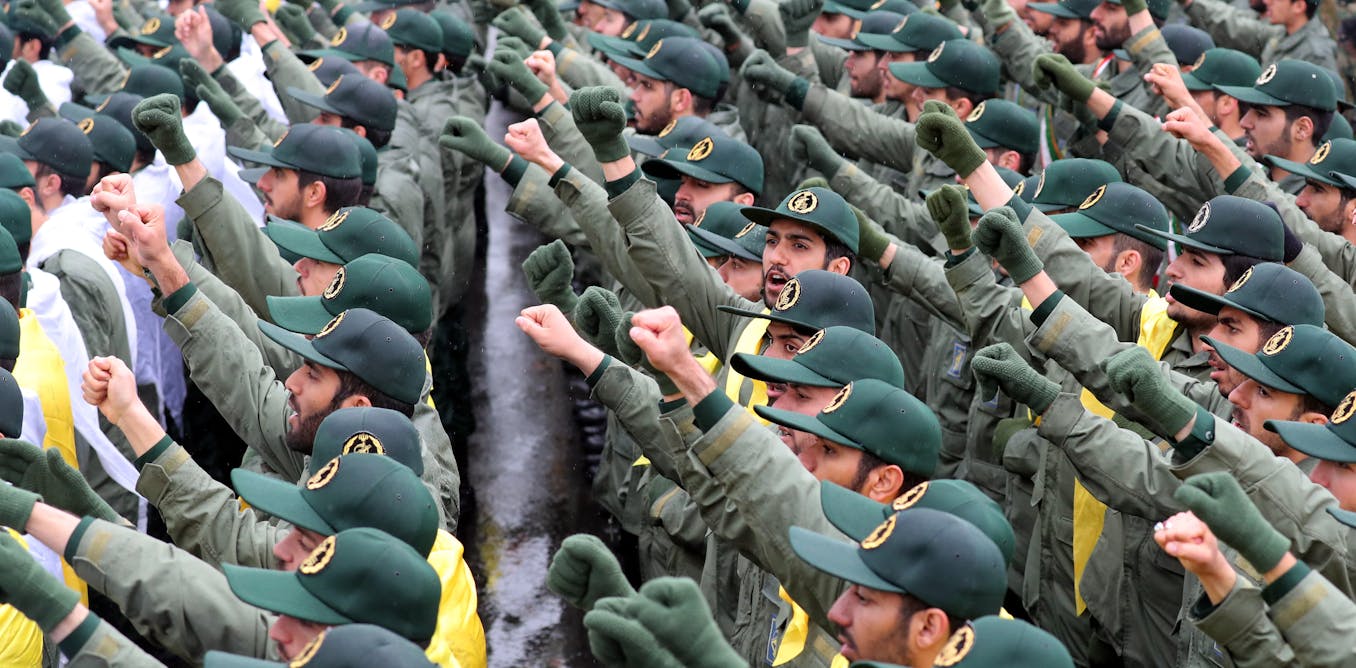
By Andrew Thomas, Lecturer in Middle East Studies, Deakin University With news Iran orchestrated two antisemitic attacks in Australia last year, the federal government has declared the Islamic Revolutionary Guard Corps a terrorist group. The Australian Security Intelligence Organisation’s Director-General Mike Burgess said the group, known as IRGC, “used a complex web of proxies to … Continue reading “What is the Islamic Revolutionary Guard Corps, or the IRGC?”