 Written by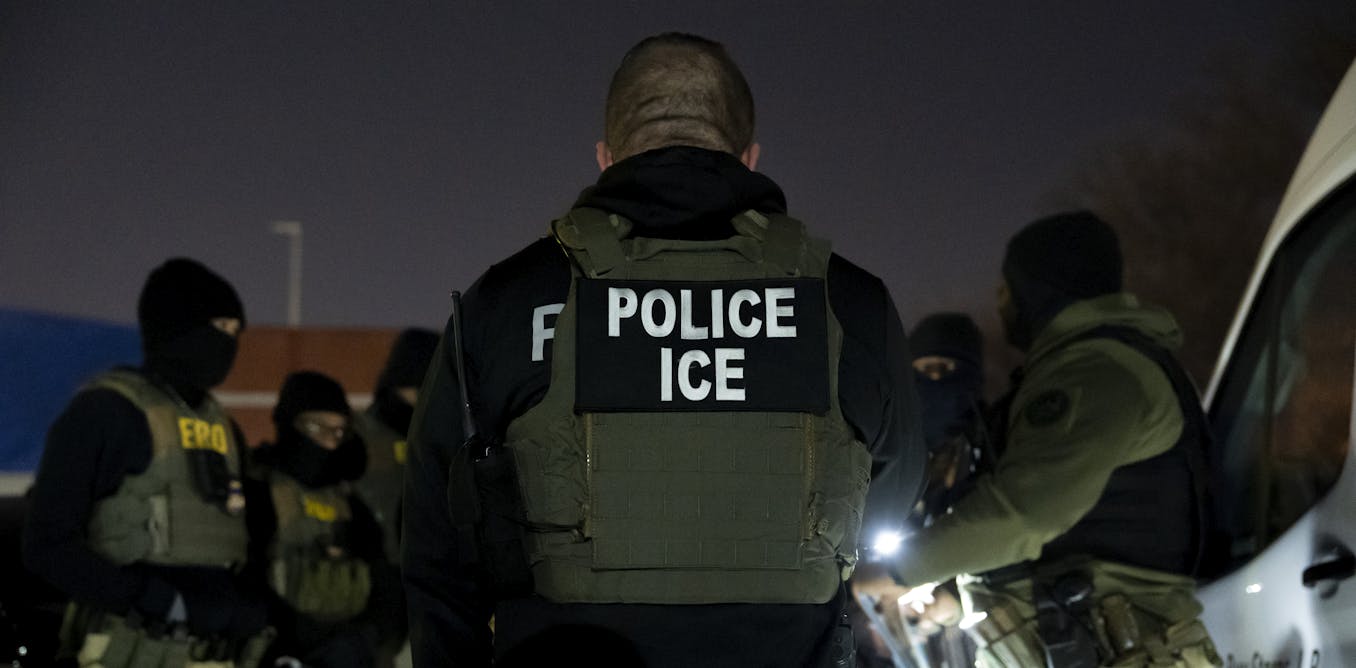
By Daniel H. Magilow, Professor of German, University of Tennessee Minnesota Gov. Tim Walz recently sparked controversy by comparing U.S. Immigration and Customs Enforcement to Nazi Germany’s notorious secret police, … Continue reading “Comparing ICE to the Gestapo reveals people’s fears for the US – a Holocaust scholar explains why Nazi analogies remain common, yet risky”
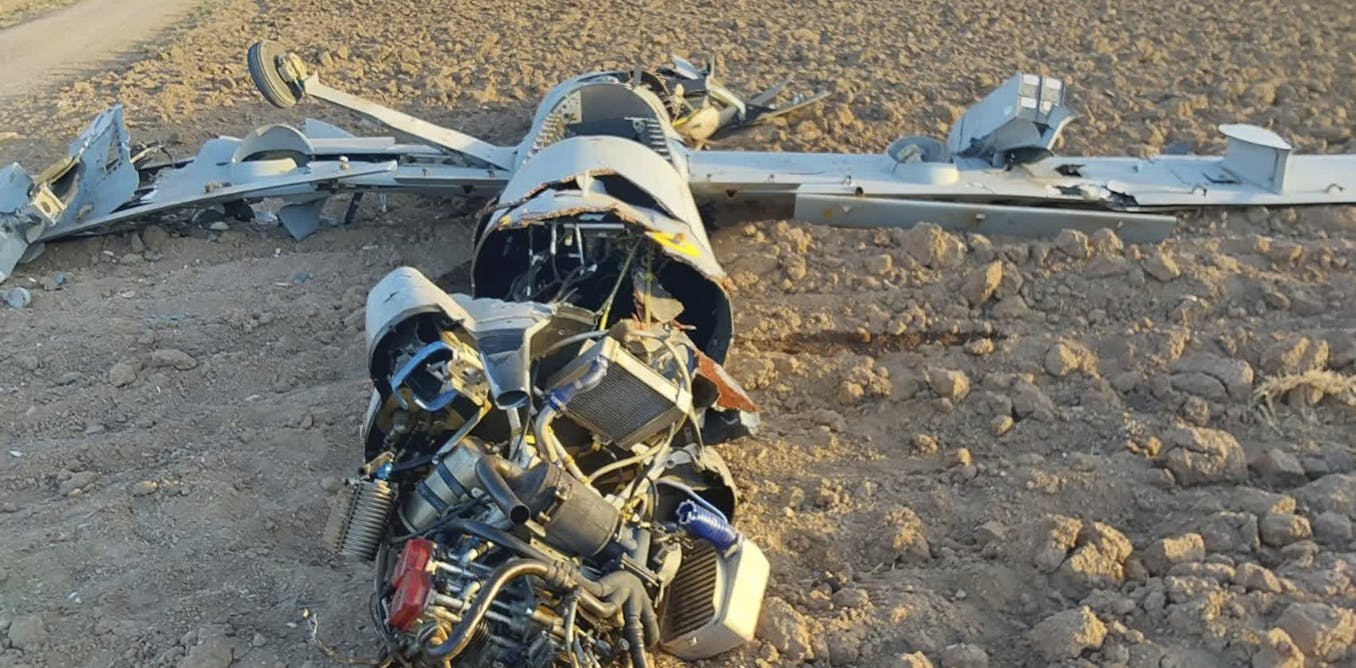
By Alexandre Massaux, Ph.D. in international relations, Université de Toulon Both Israel and Iran used drones in the strikes that began between the two countries in June. Israel introduced drones … Continue reading “How drones are changing the way wars are fought”
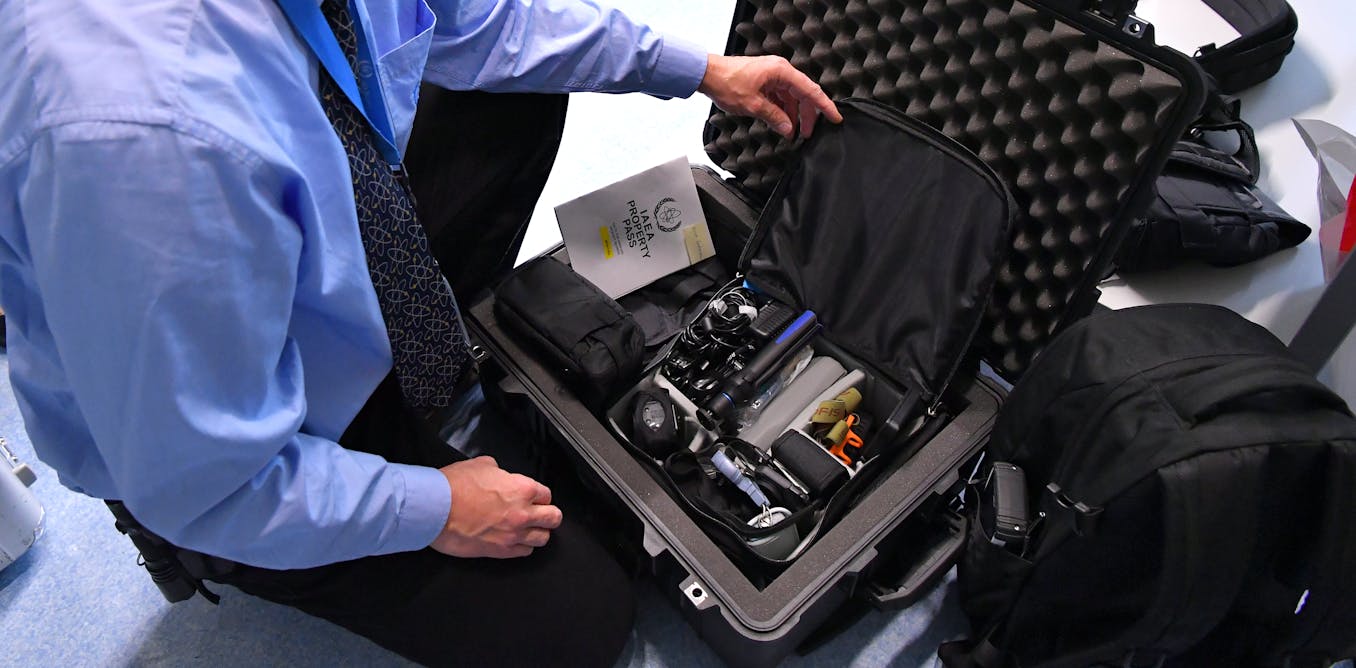
By Anna Erickson, Professor of Nuclear and Radiological Engineering, Georgia Institute of Technology What happens when a country seeks to develop a peaceful nuclear energy program? Every peaceful program starts … Continue reading “How the world’s nuclear watchdog monitors facilities around the world – and what it means that Iran kicked it out”
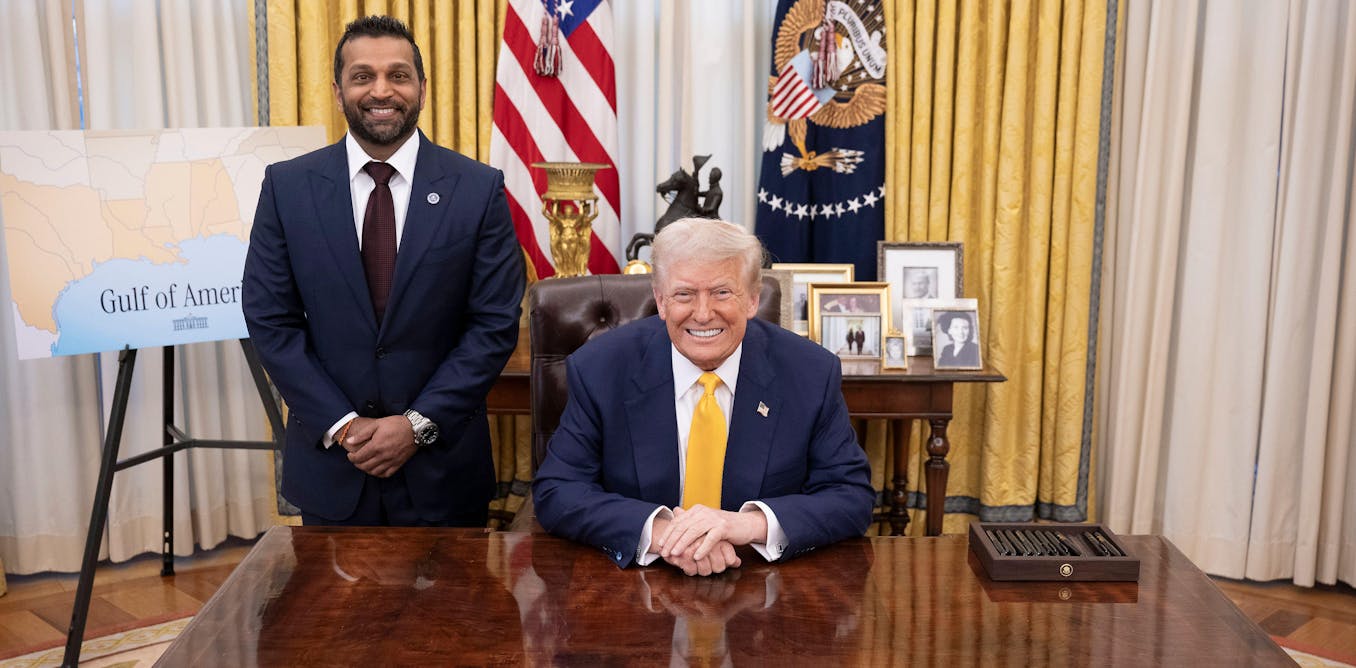
By Luca Trenta, Associate Professor in International Relations, Swansea University Tonya Ugoretz, a top FBI intelligence analyst, was placed on administrative leave in June. The FBI has not said why. … Continue reading “Congress has a chequered history of overseeing US intelligence and national security”
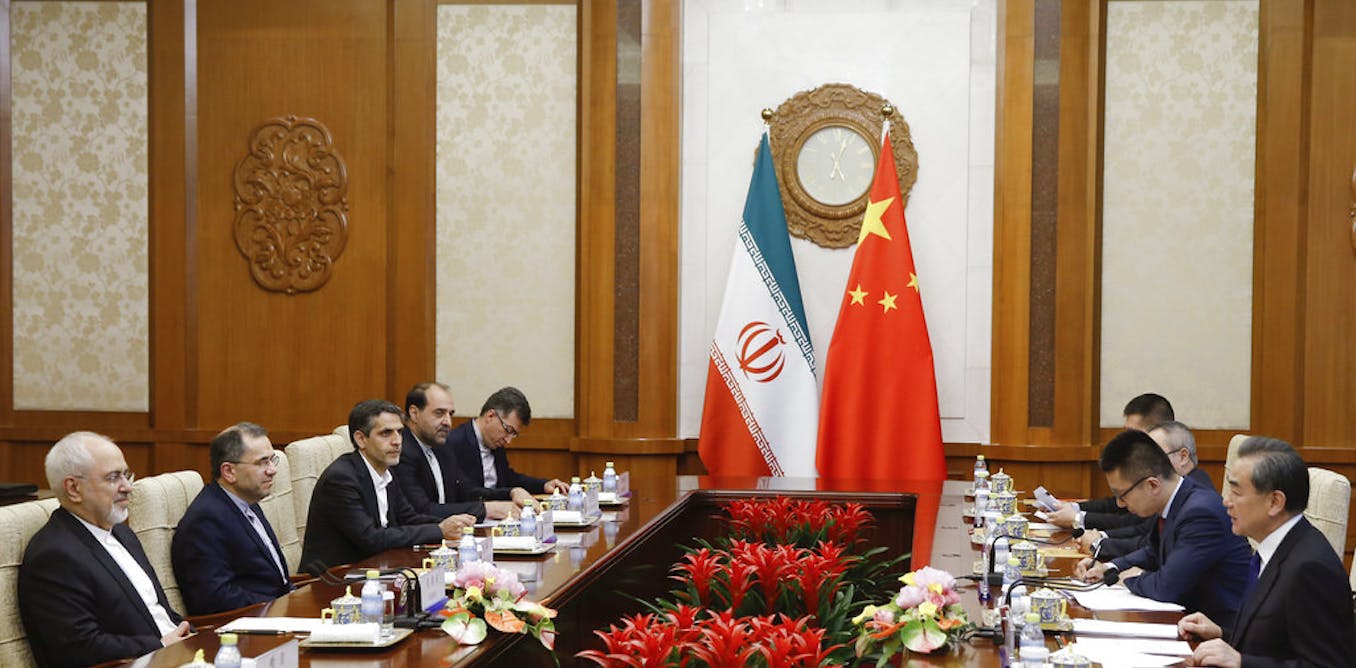
By Linggong Kong, Ph.D. Candidate in Political Science, Auburn University China has long maintained that it does not supply arms to any party at war – a central tenet of … Continue reading “Beijing’s ‘plausible deniability’ on arms supply is quickly becoming implausible – and could soon extend to Iran”
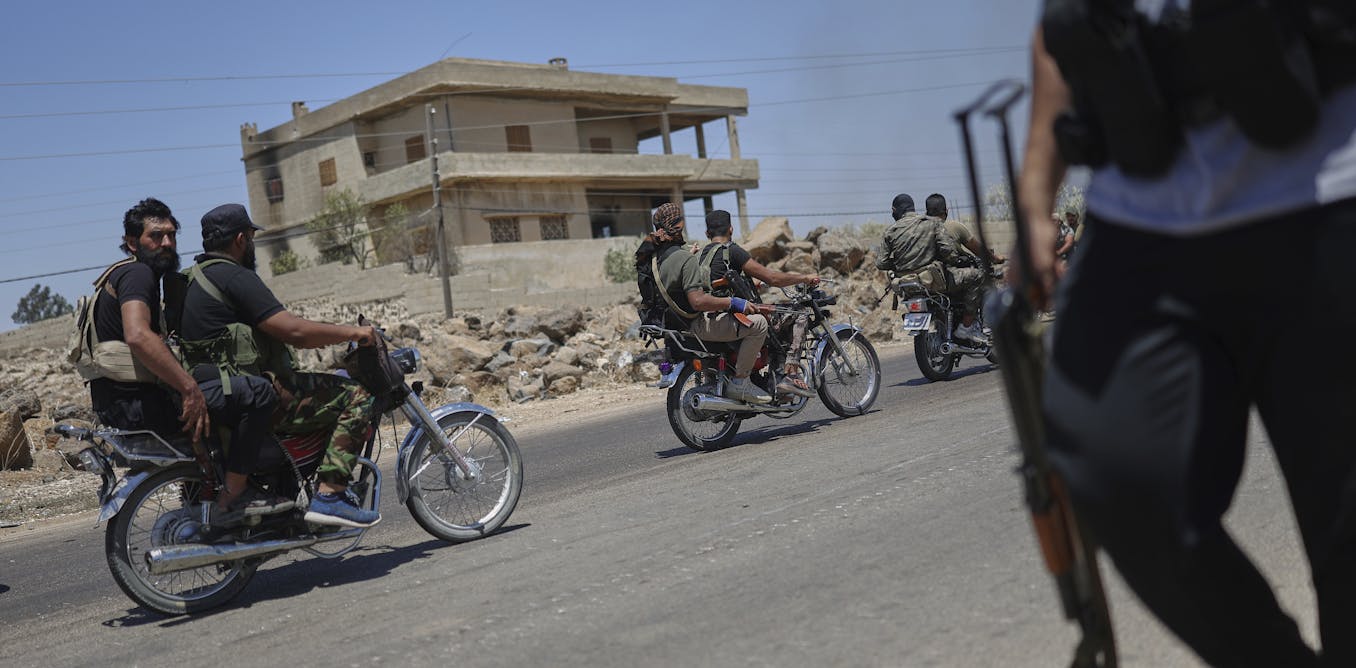
By Güneş Murat Tezcür, Professor and Director of the School of Politics and Global Studies, Arizona State University In July 2025, clashes between the Druze religious minority and Sunni Arabs … Continue reading “Understanding the violence against Alawites and Druze in Syria after Assad”
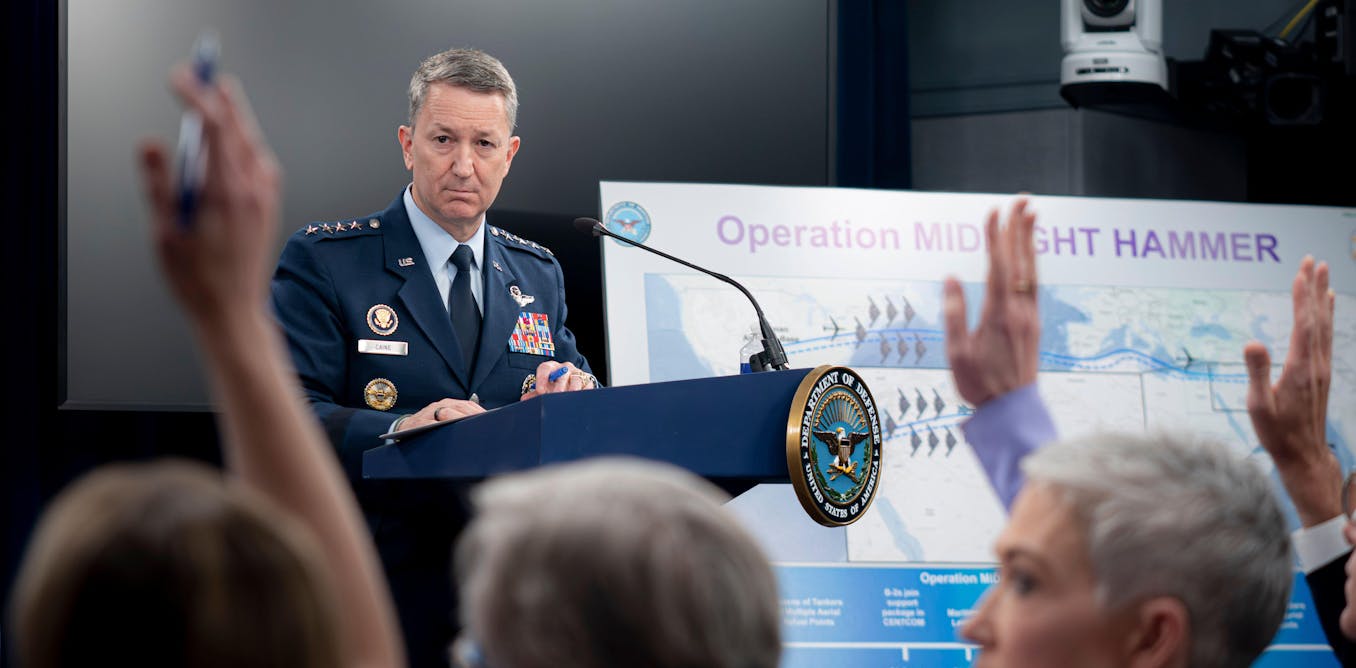
By Paul Whiteley, Professor, Department of Government, University of Essex Political scientists first identified a phenomenon known as the “rally round the flag” effect in the 1970s . This refers … Continue reading “Do the US public support Trump bombing Iran? Here’s what the data shows”
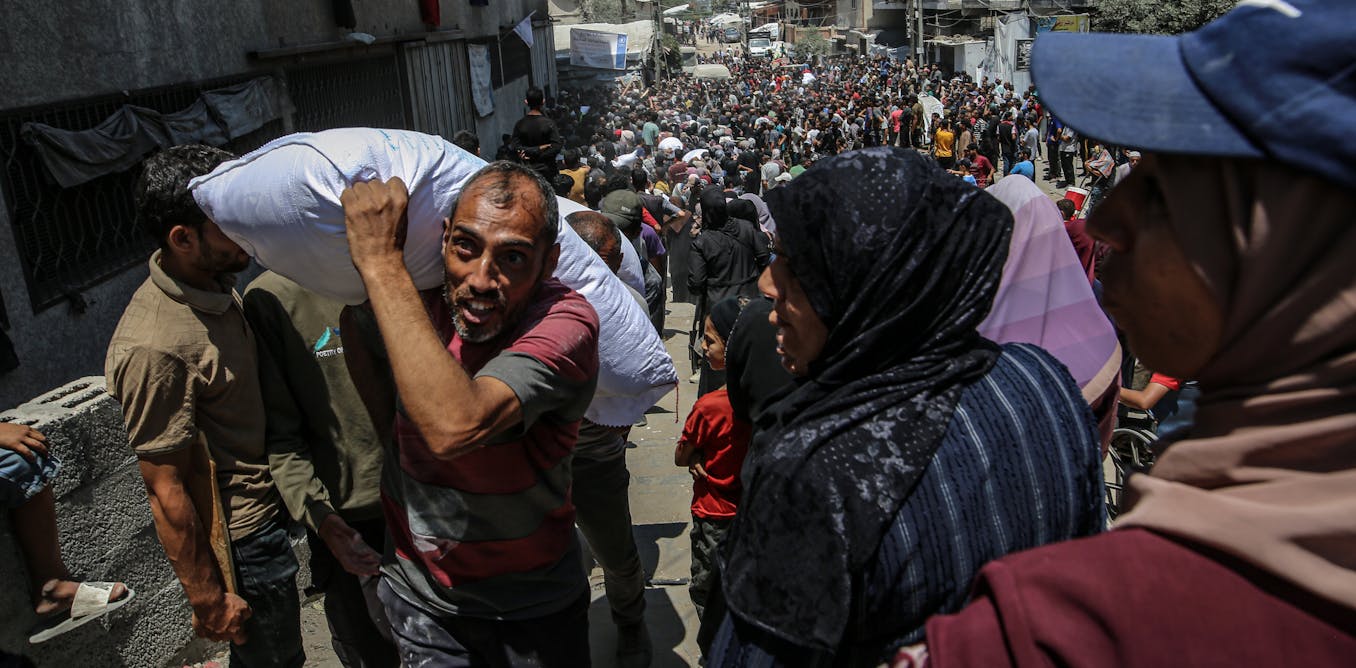
By Julie M. Norman, Senior Associate Fellow on the Middle East at RUSI; Associate Professor in Politics & International Relations, UCL The US president, Donald Trump, says that Israel has … Continue reading “A new Gaza ceasefire deal is on the table – will this time be different?”
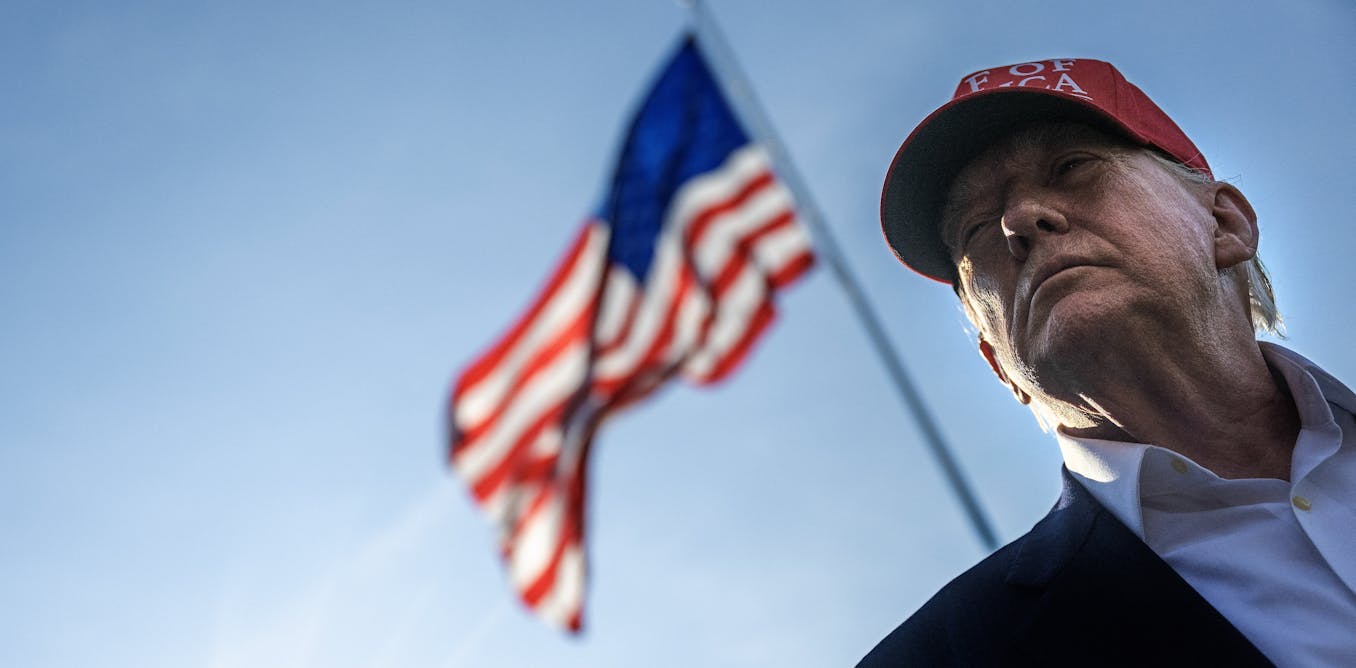
By Garritt C. Van Dyk, Senior Lecturer in History, University of Waikato While he likes to provoke opponents with the possibility of serving a third term, Donald Trump faces a … Continue reading “Trump is not like other presidents – but can he beat the ‘second term curse’ that haunts the White House?”

By Michael R. Griffiths, Senior Lecturer in English Literatures, University of Wollongong Our cultural touchstones series examines works that have had a lasting influence In 1967, French literary and cultural … Continue reading “Roland Barthes declared the ‘death of the author’, but postcolonial critics have begged to differ”