 Written by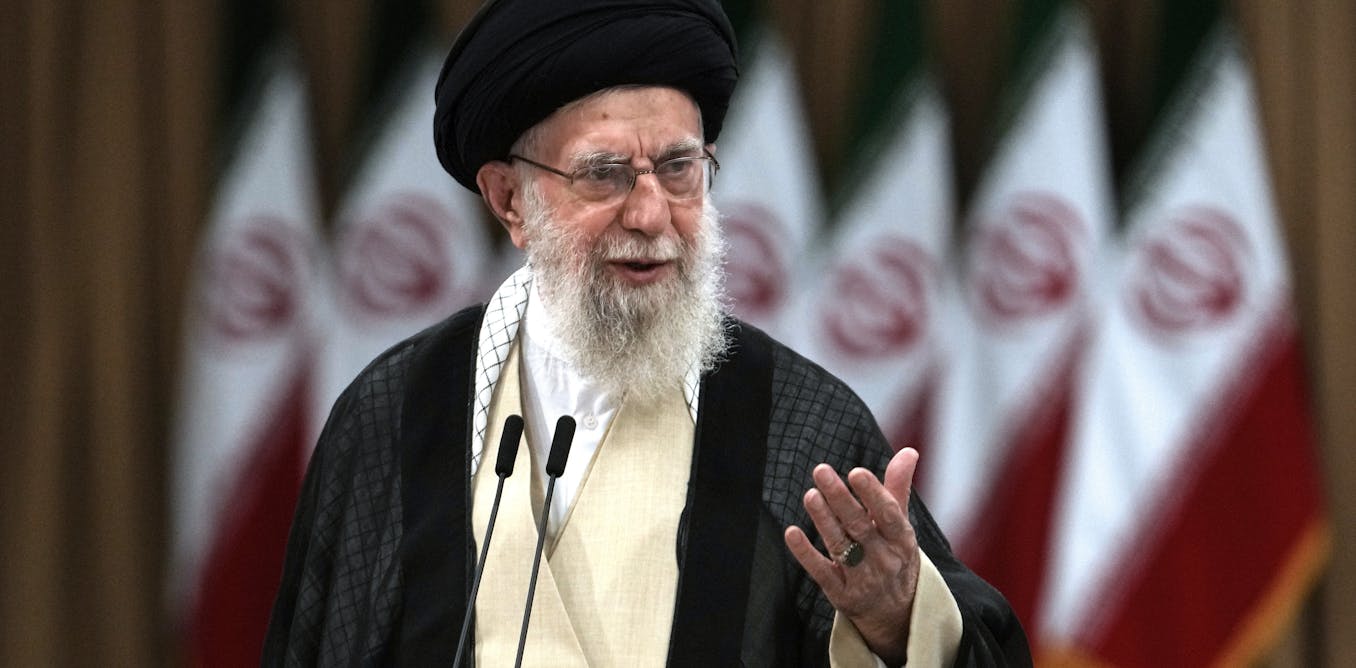
By Saira Bano, Assistant Professor in Political Science, Thompson Rivers University In the wake of recent strikes by Israel and the United States on Iranian cities, military sites and nuclear … Continue reading “U.S. and Israeli strikes on Iran could fuel a new wave of nuclear proliferation”
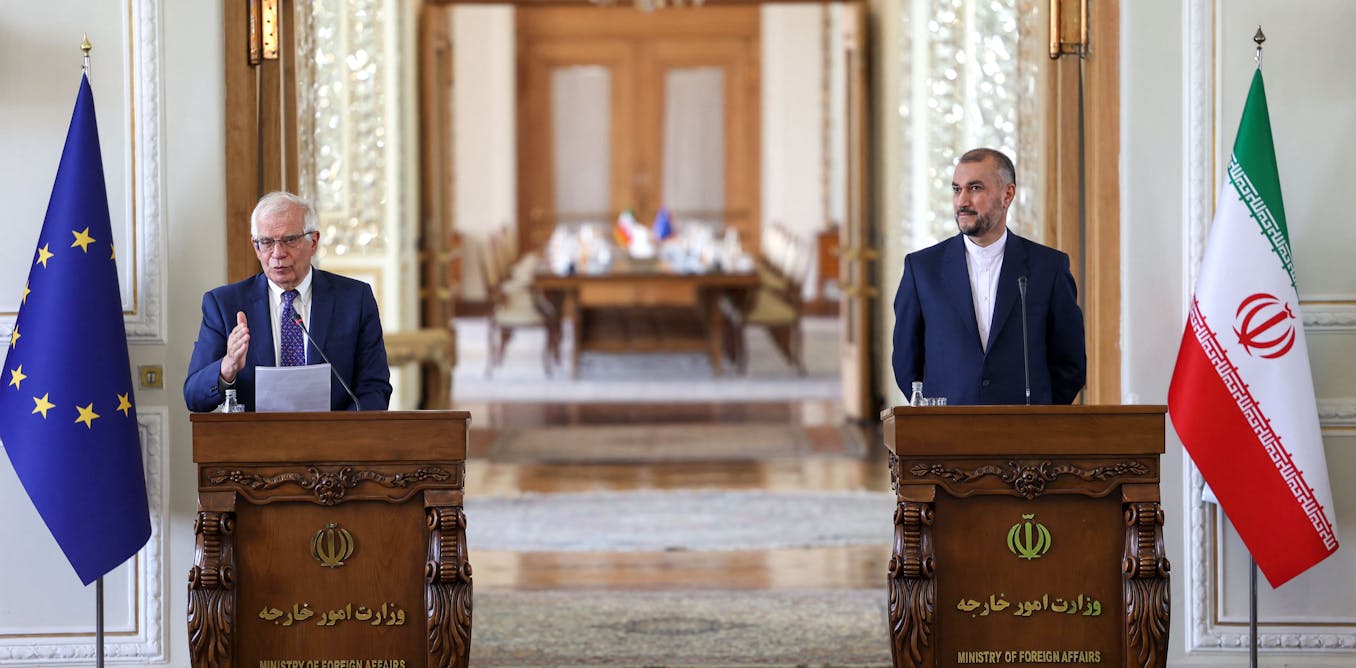
By Garret Martin, Hurst Senior Professorial Lecturer, Co-Director Transatlantic Policy Center, American University School of International Service The U.S. bombing of three Iranian nuclear facilities on June 22, 2025, sent … Continue reading “Europe is stuck in a bystander role over Iran’s nuclear program after US, Israeli bombs establish facts on the ground”
By Stephen Collins, Professor of Government and International Affairs, Kennesaw State University While the U.S. military’s strikes on Iran on June 21, 2025, is believed to have damaged the country’s … Continue reading “Military force may have delayed Iran’s nuclear ambitions – but history shows that diplomacy is the more effective nonproliferation strategy”

By Benjamin Zala, Senior Lecturer, Politics & International Relations, Monash University As the ceasefire between Israel and Iran seems to be holding for now, it is important to reflect on … Continue reading “Could we live with a nuclear-armed Iran? Reluctantly, yes”