 Written by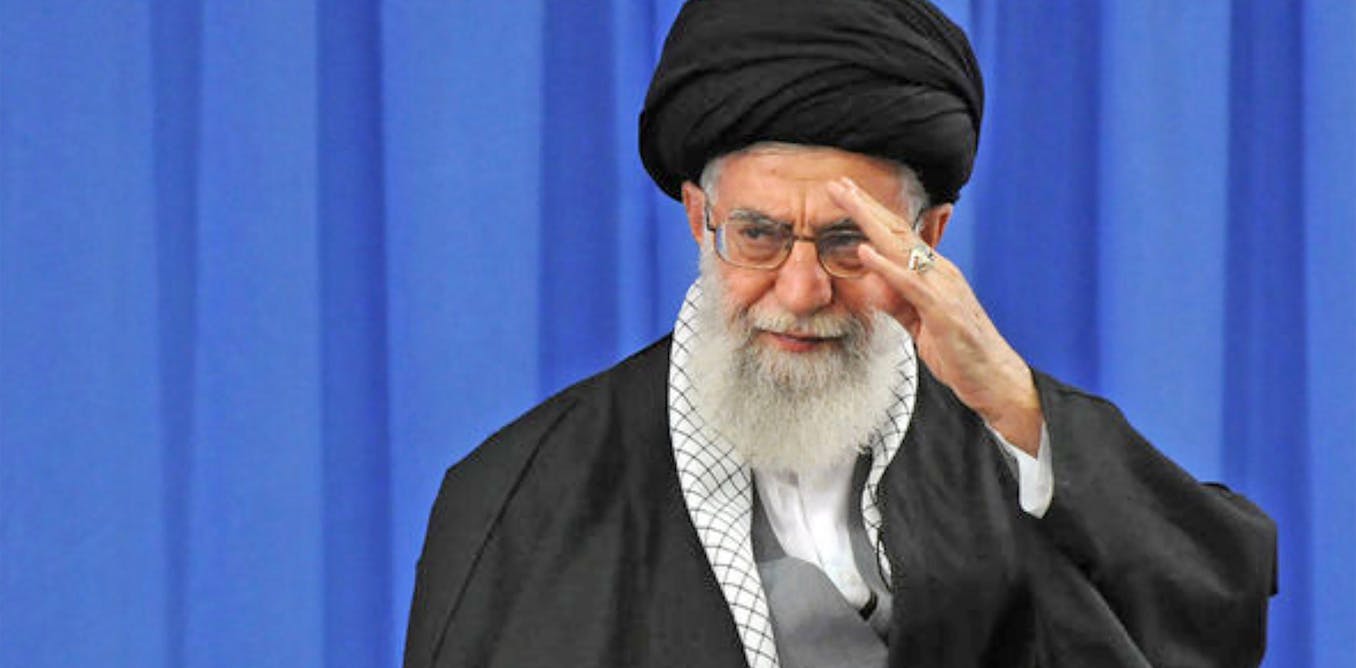
By Sahar Maranlou, Lecturer in Law and Socio-legal Studies, Royal Holloway University of London Ali Khamenei was born in Mashhad, Iran, in 1939, as the second son of a local … Continue reading “Who is Iran’s leader, Ayatollah Ali Khamenei?”
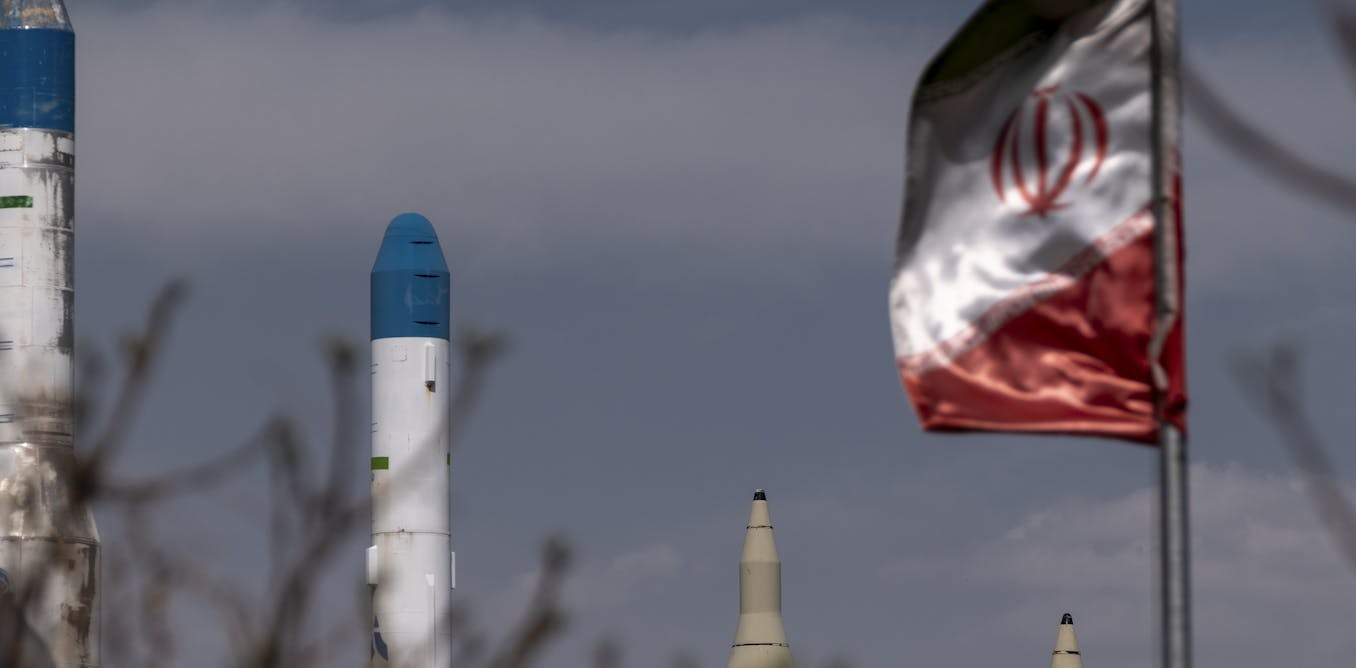
By Nakissa Jahanbani, Adjunct Lecturer, Pennsylvania State University, Penn State Israel’s air assault on Iran has focused largely on degrading the Islamic Republic’s military and would-be nuclear capabilities. In the … Continue reading “A militarily degraded Iran may turn to asymmetrical warfare – raising risk of proxy and cyber attacks”
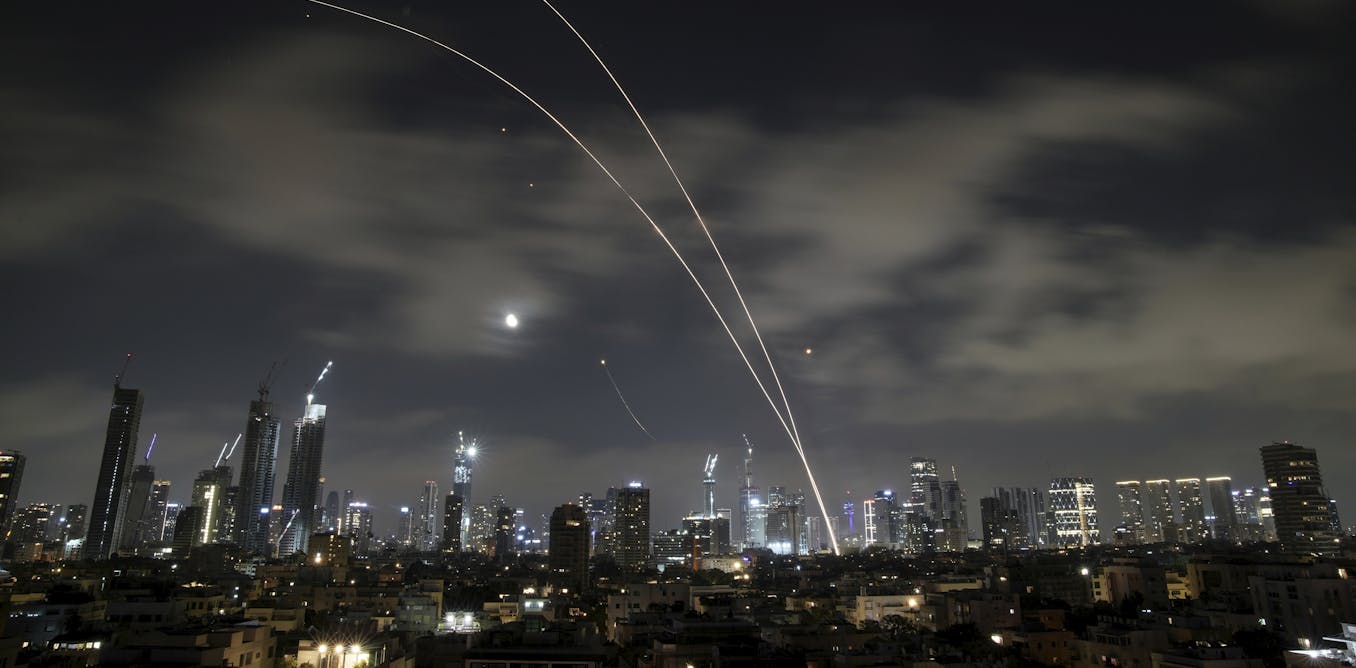
By James Horncastle, Assistant Professor and Edward and Emily McWhinney Professor in International Relations, Simon Fraser University As the war between Israel and Iran escalates, Israel is increasing its calls … Continue reading “Why Israel — and potentially the U.S. — is sure to encounter the limits of air power in Iran”
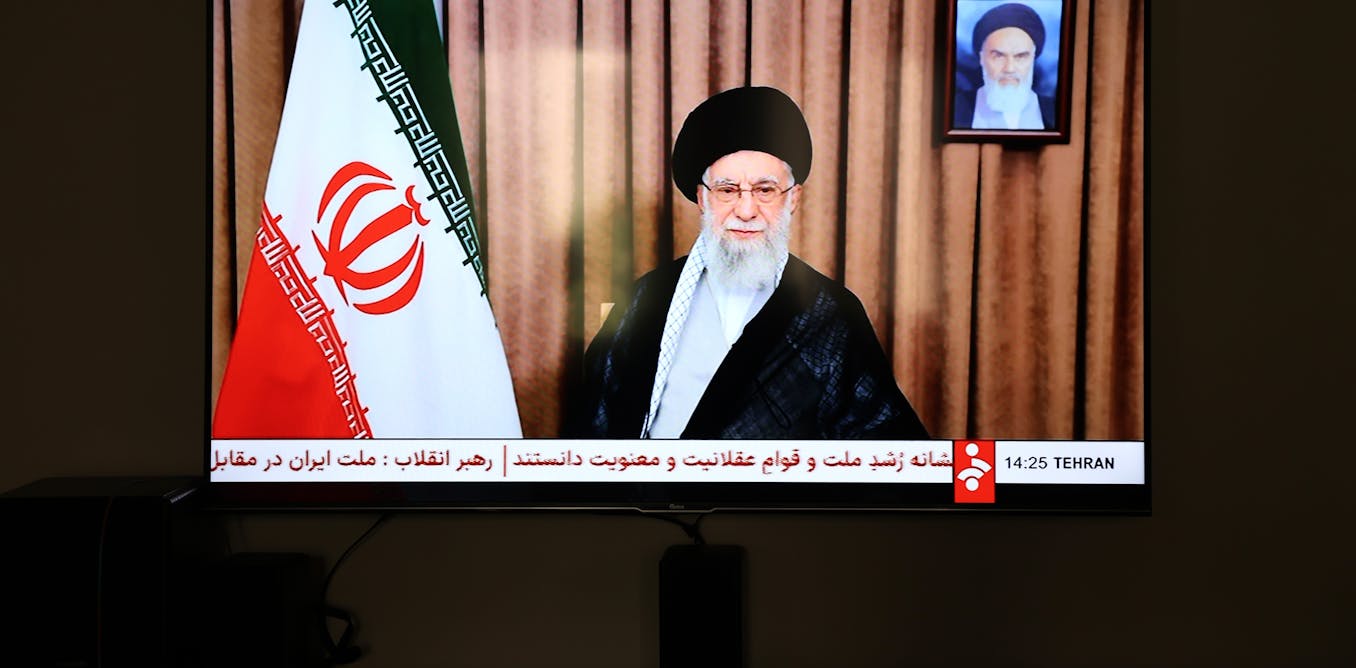
By Farhang Morady, Principal Lecturer in International Development, University of Westminster The Israeli prime minister, Benjamin Netanyahu, has said that his country’s campaign in Iran “could certainly” lead to regime … Continue reading “Israel’s attacks have exposed weaknesses in Iran, but it’s in little danger of collapsing”
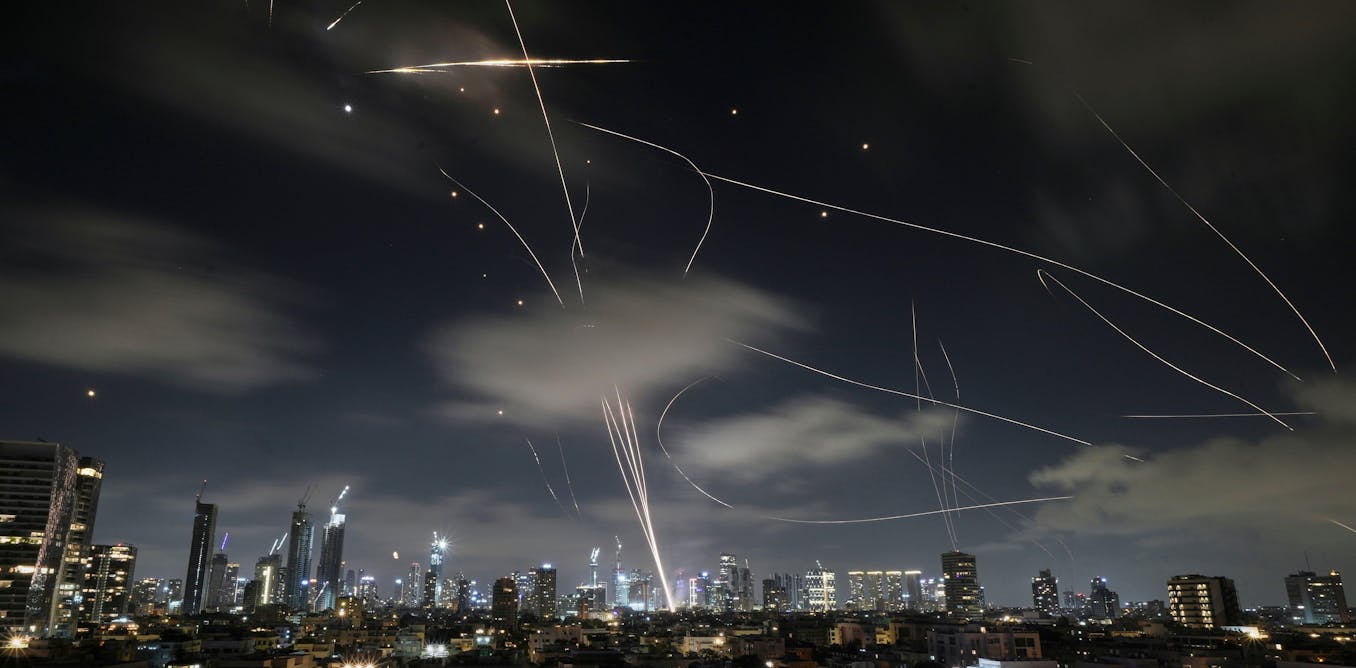
By Sam Phelps, Commissioning Editor, International Affairs This article was first published in The Conversation UK’s World Affairs Briefing email newsletter. Sign up to receive weekly analysis of the latest … Continue reading “Israel’s conflict with Iran escalates as Trump considers US involvement”
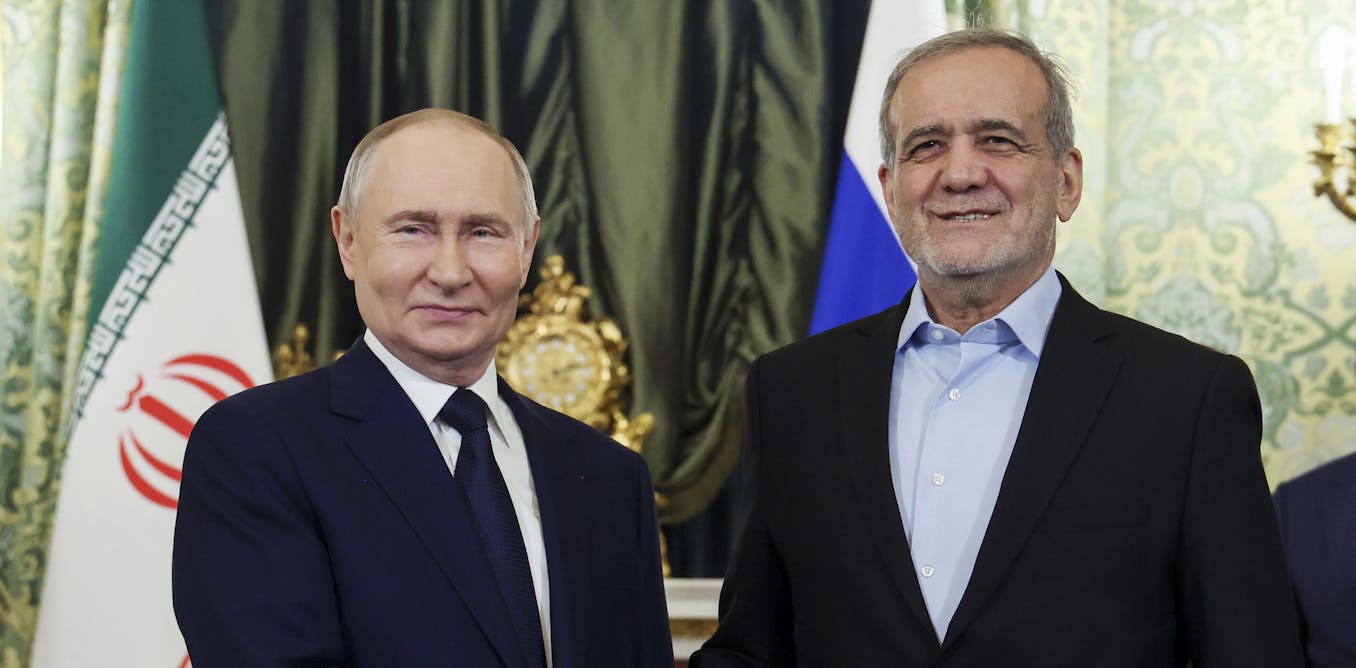
By Ali Mamouri, Research Fellow, Middle East Studies, Deakin University As Israel continues its attacks on Iran, US President Donald Trump and other global leaders are hardening their stance against … Continue reading “Who are Iran’s allies? And would any help if the US joins Israel in its war?”
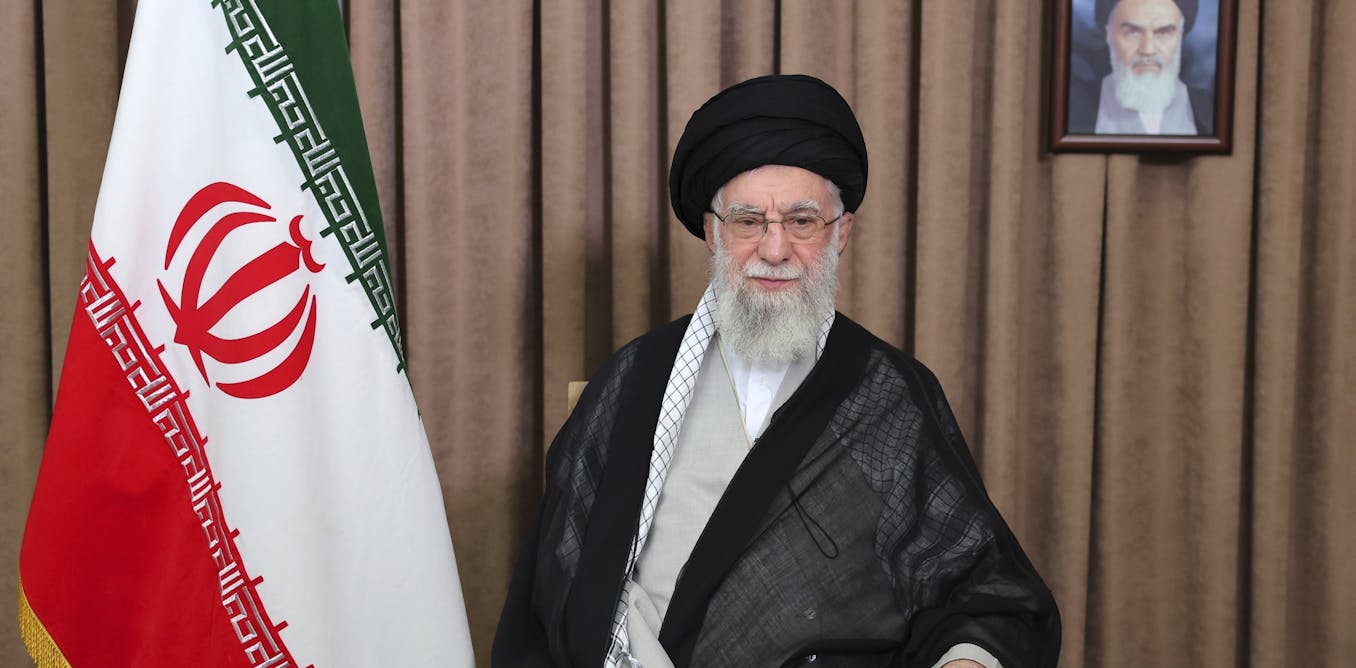
By Ali Mamouri, Research Fellow, Middle East Studies, Deakin University The scale of Israel’s strikes on multiple, sensitive Iranian military and nuclear sites on Friday was unprecedented. It was the … Continue reading “As war breaks out with Israel, Iran has run out of good options”
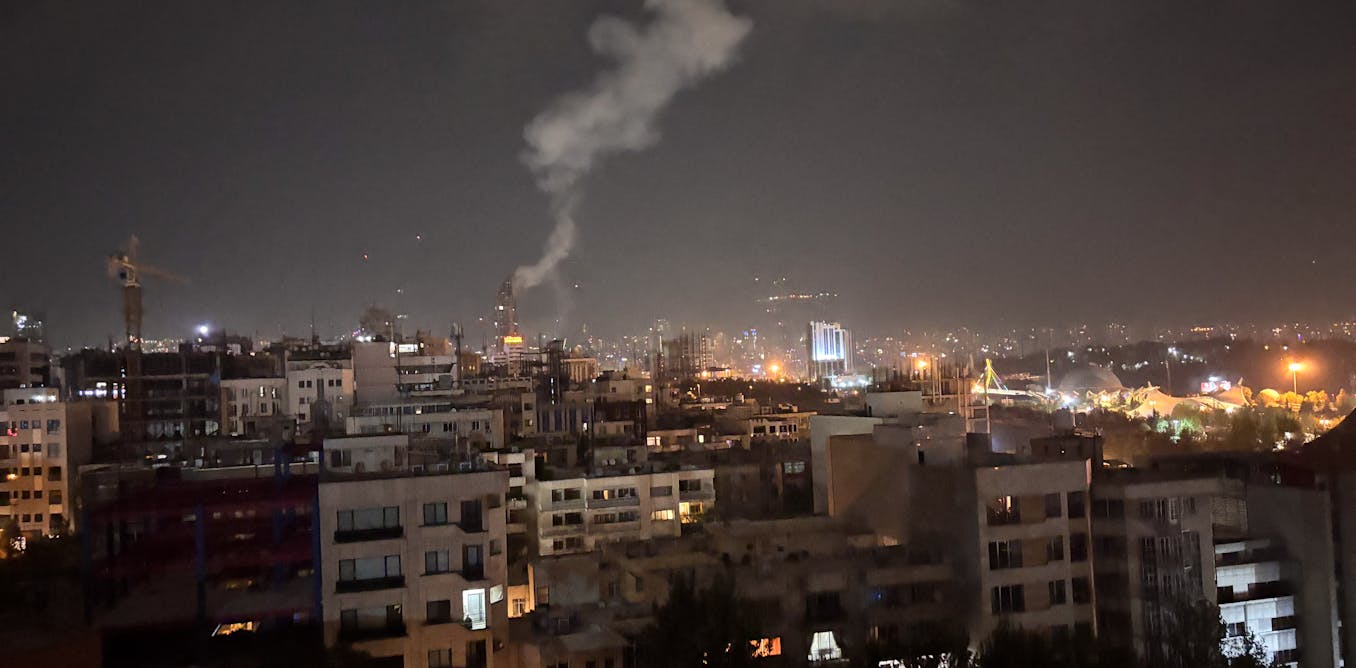
By Javed Ali, Associate Professor of Practice of Public Policy, University of Michigan Israel’s strike on Iranian nuclear and military facilities has pushed the Middle East one step closer to … Continue reading “What does Israel’s strike mean for US policy on Iran and prospects for a nuclear deal?”
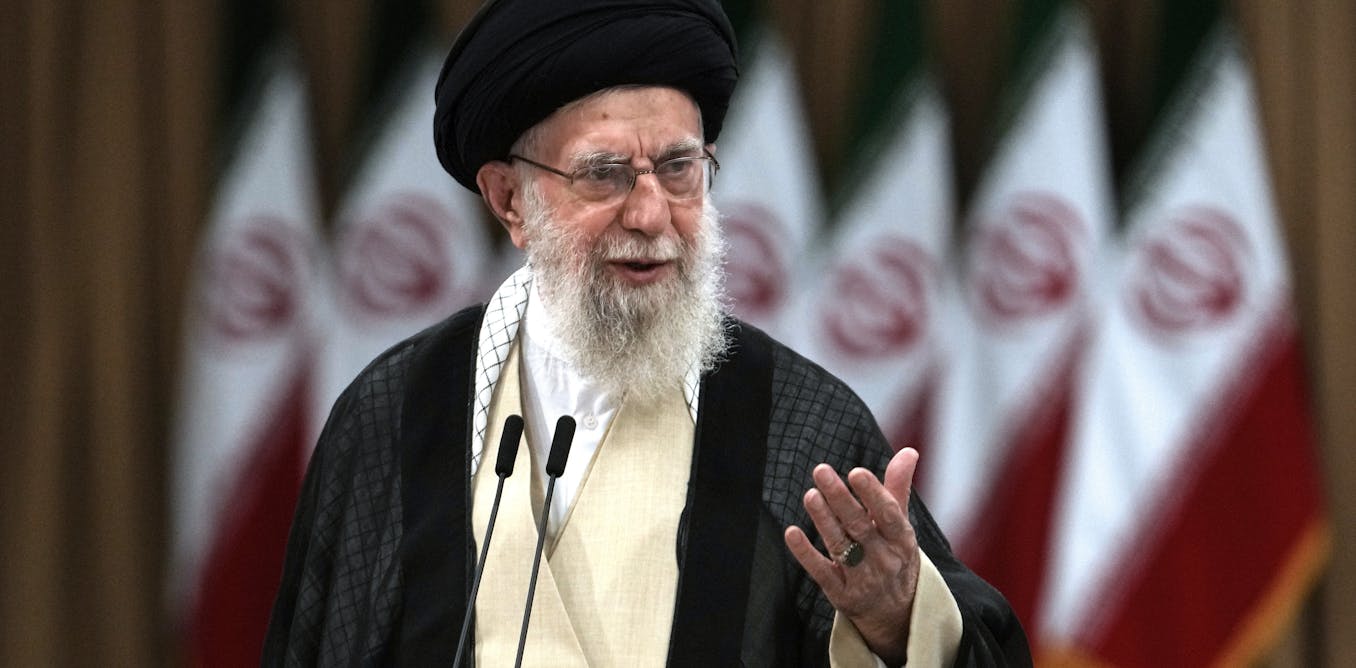
By Saira Bano, Assistant Professor in Political Science, Thompson Rivers University In the wake of recent strikes by Israel and the United States on Iranian cities, military sites and nuclear … Continue reading “U.S. and Israeli strikes on Iran could fuel a new wave of nuclear proliferation”
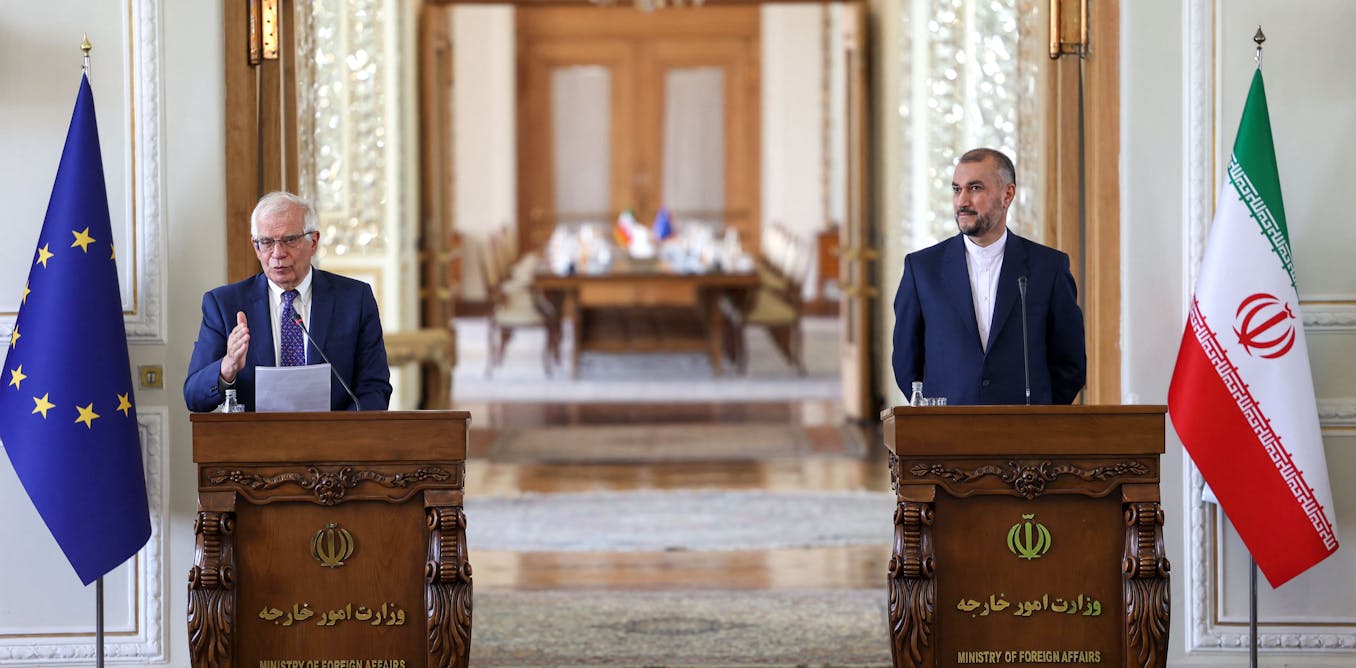
By Garret Martin, Hurst Senior Professorial Lecturer, Co-Director Transatlantic Policy Center, American University School of International Service The U.S. bombing of three Iranian nuclear facilities on June 22, 2025, sent … Continue reading “Europe is stuck in a bystander role over Iran’s nuclear program after US, Israeli bombs establish facts on the ground”