 Written by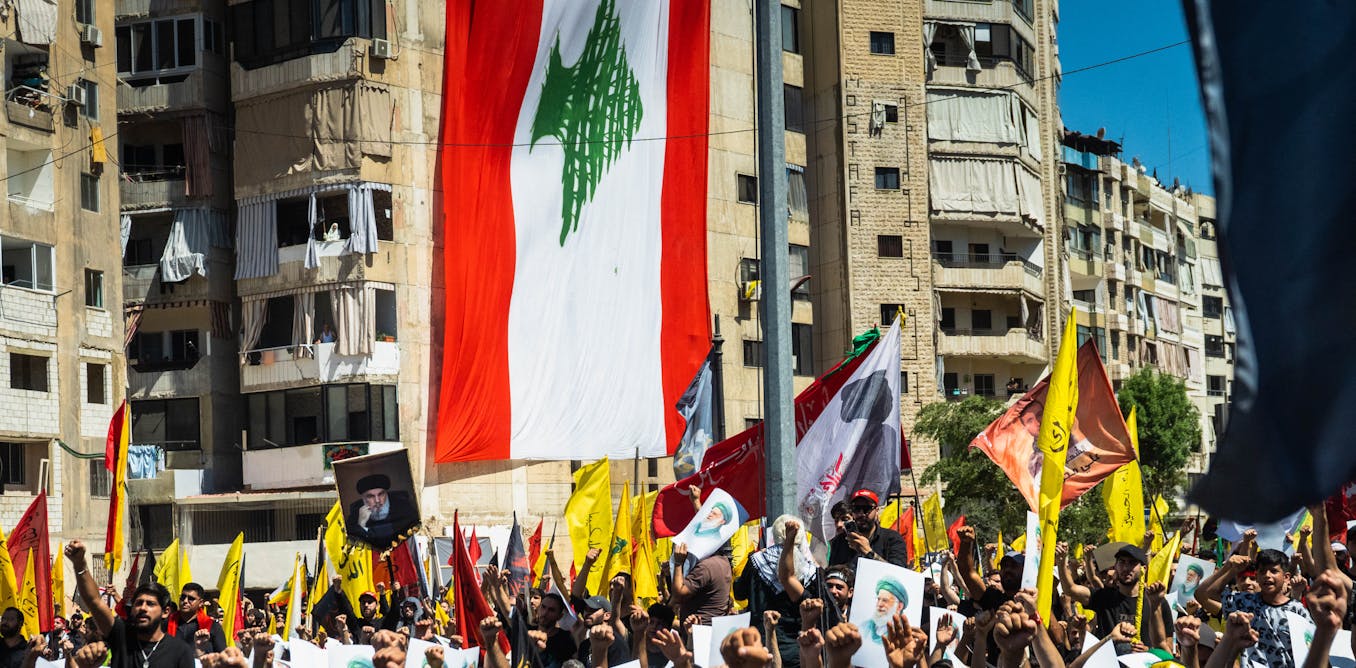
By Mireille Rebeiz, Chair of Middle East Studies and Associate Professor of Francophone and Women’s, Gender and Sexuality Studies at Dickinson College. Adjunct Professor of Law at Penn State Dickinson … Continue reading “A weakened Iran and Hezbollah gives Lebanon an opening to chart path away from the region’s conflicts − will it be enough?”
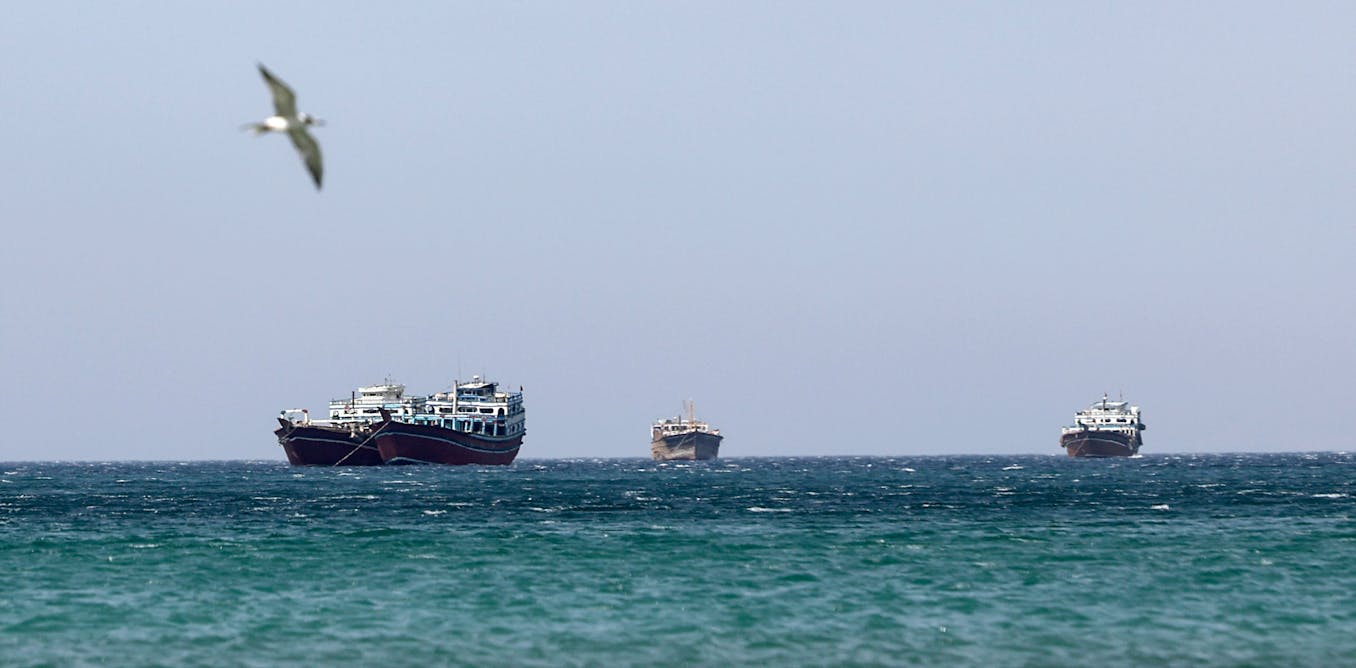
By Belinda Clarence, Law Lecturer, RMIT University During the recent conflict between Iran and Israel, Iran threatened to block the Strait of Hormuz, one of the world’s major shipping routes.Would … Continue reading “What is the Strait of Hormuz and why is it so important for global shipping?”
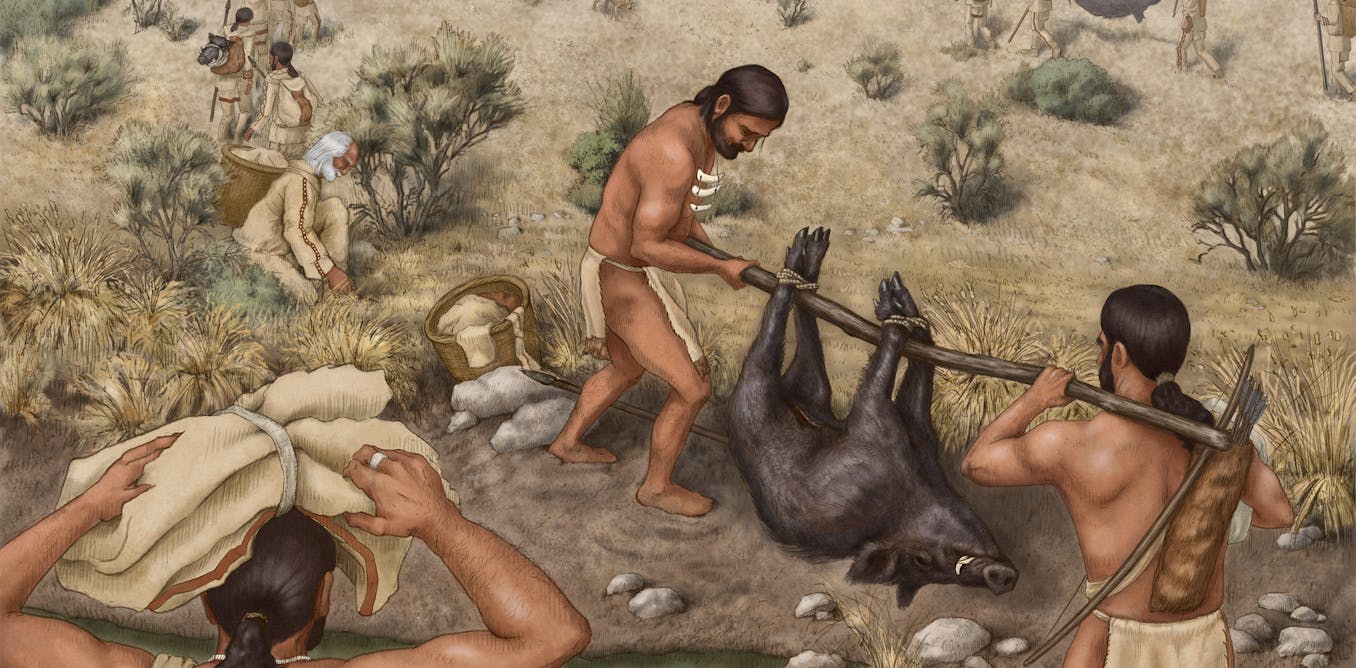
By Petra Vaiglova, Lecturer in Archaeological Science, Australian National University Have you ever stopped by the grocery store on your way to a dinner party to grab a bottle of … Continue reading “Guests at a feast in Iran’s Zagros Mountains 11,000 years ago brought wild boars from all across the land”

By Robert Dover, Professor of Intelligence and National Security & Dean of Faculty, University of Hull The ongoing debate over whether Iranian nuclear sites were “obliterated”, as the US president … Continue reading “Row over damage to Iran’s nuclear programme raises questions about intelligence”
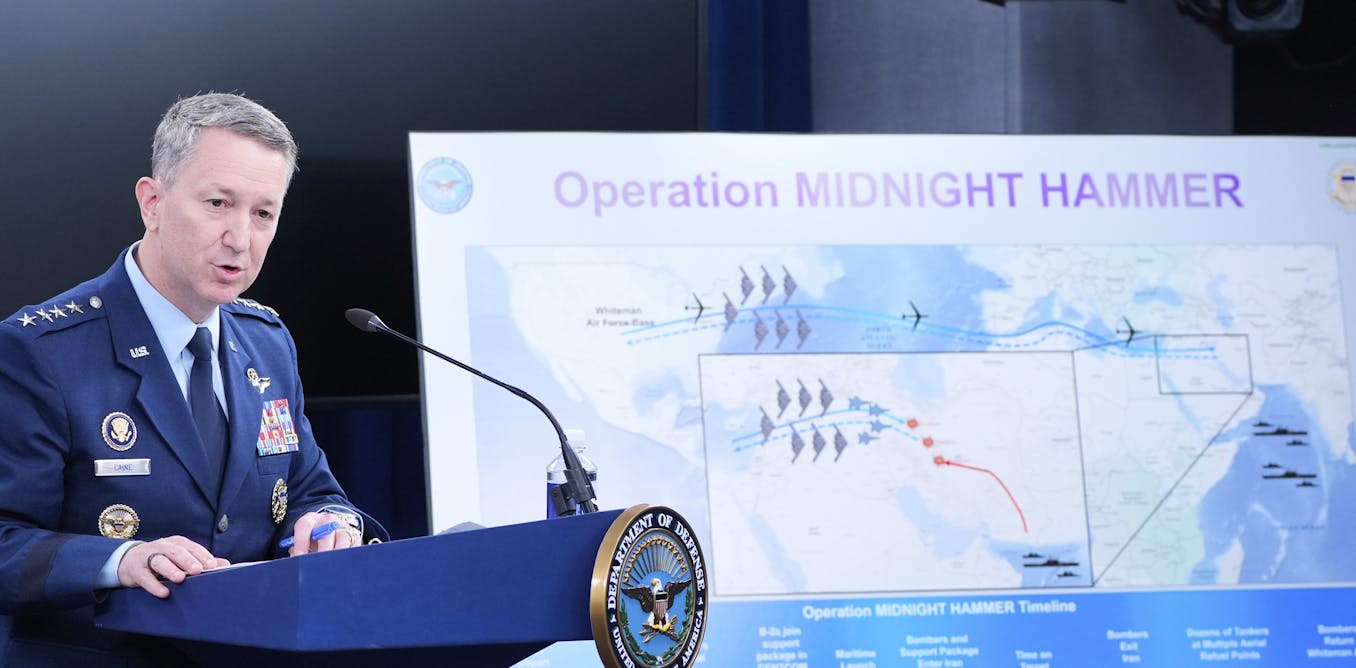
By Joshua Rovner, Associate Professor of International Relations, American University The U.S. Air Force dropped a dozen ground-penetrating bombs, each weighing 30,000 pounds (13,607 kilograms), in a raid on Iran’s … Continue reading “What damage did the US do to Iran’s nuclear program? Why it’s so hard to know”
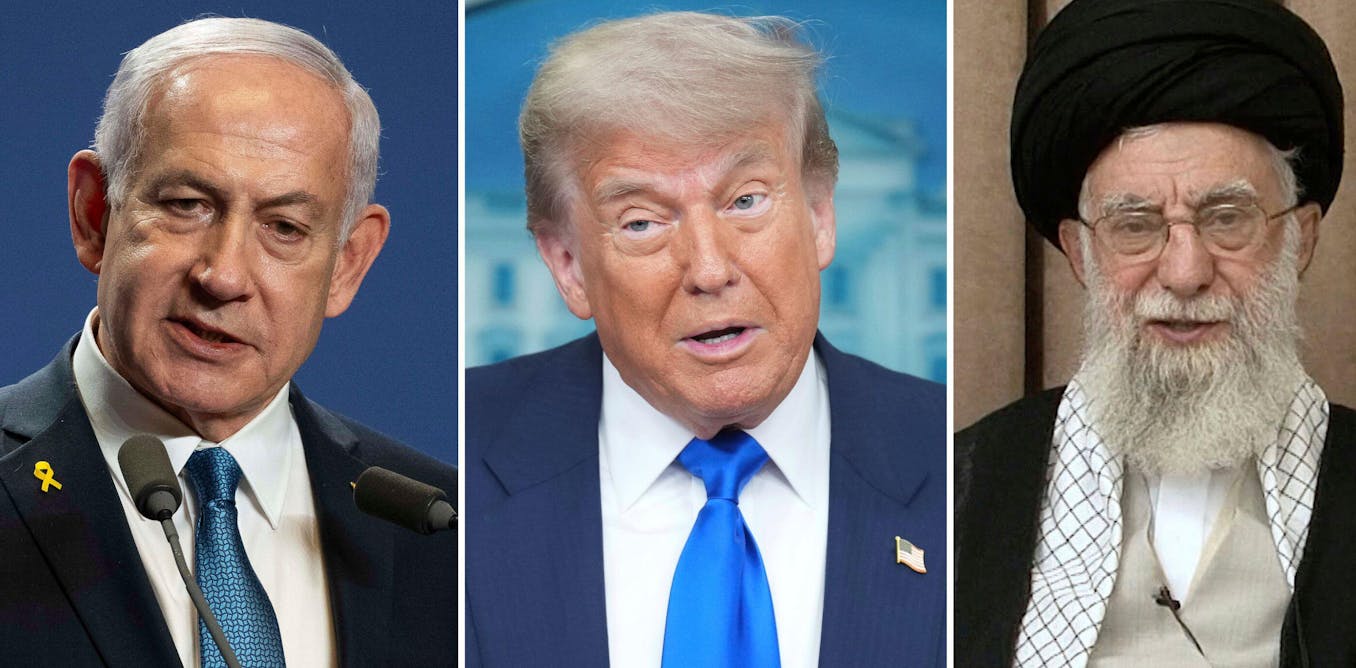
By Bamo Nouri, Honorary Research Fellow, City St George’s, University of London Israel’s attack on Iran last month and the US bombing of the country’s nuclear facilities, the first-ever direct … Continue reading “The US and Israel’s attack may have left Iran stronger”
By Stephen Collins, Professor of Government and International Affairs, Kennesaw State University While the U.S. military’s strikes on Iran on June 21, 2025, is believed to have damaged the country’s … Continue reading “Military force may have delayed Iran’s nuclear ambitions – but history shows that diplomacy is the more effective nonproliferation strategy”
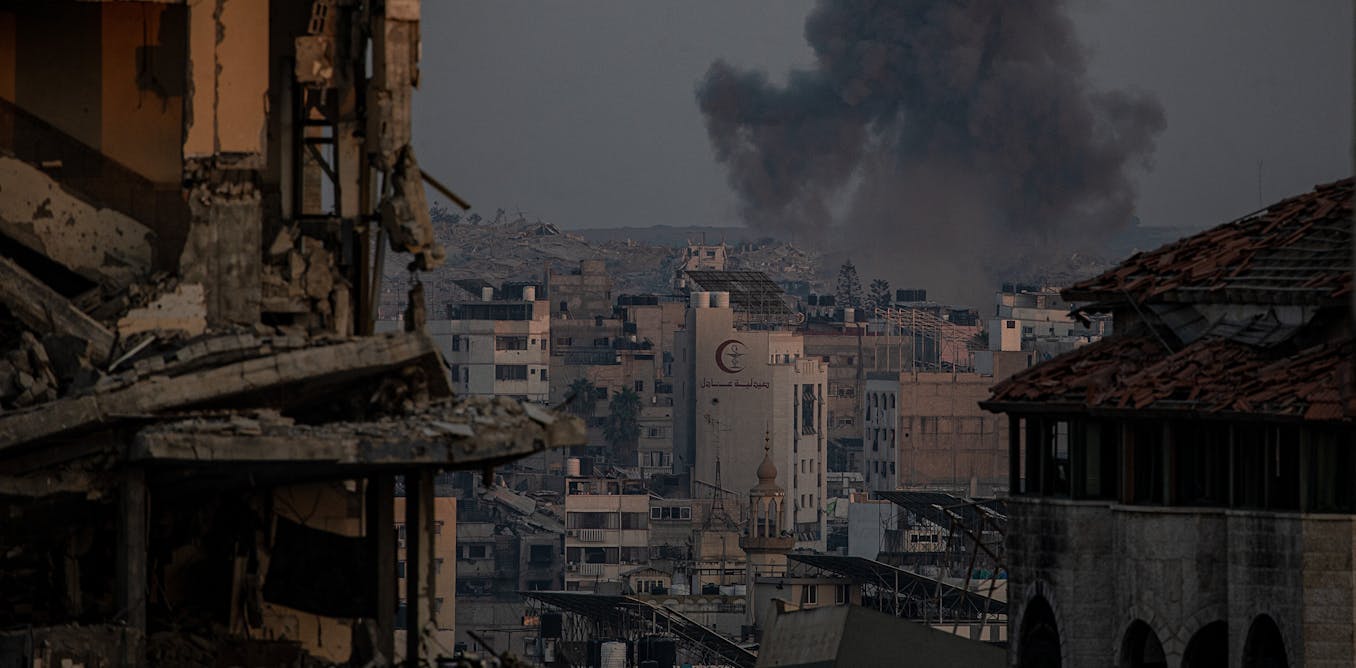
By Jonathan Este, Senior International Affairs Editor, Associate Editor Each day that has passed recently has brought another report of mass killings in Gaza. Today’s headline was as grim as … Continue reading “Hope for a ceasefire in Gaza (but not much)”

By Benjamin Zala, Senior Lecturer, Politics & International Relations, Monash University As the ceasefire between Israel and Iran seems to be holding for now, it is important to reflect on … Continue reading “Could we live with a nuclear-armed Iran? Reluctantly, yes”

By Skip York, Nonresident Fellow in Energy and Global Oil, Baker Institute for Public Policy, Rice University Global energy markets, such as those for oil, gas and coal, tend to … Continue reading “Why energy markets fluctuate during an international crisis”