 Written by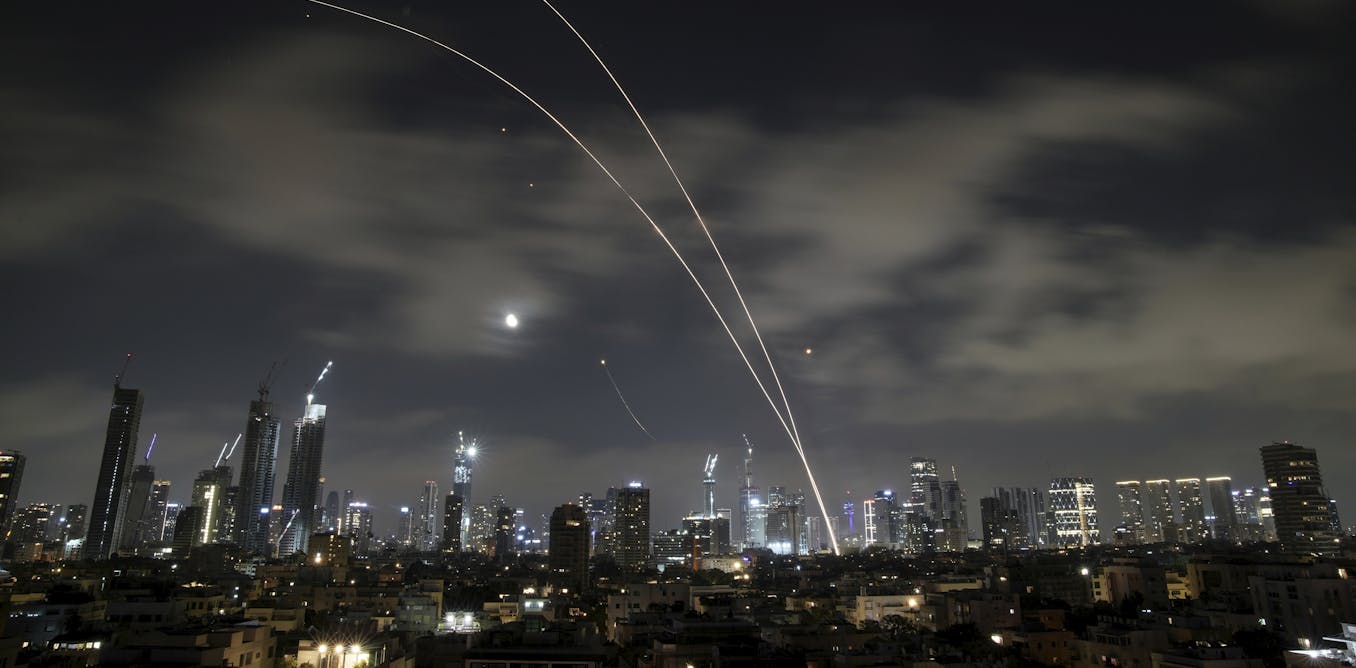
By James Horncastle, Assistant Professor and Edward and Emily McWhinney Professor in International Relations, Simon Fraser University The United States has apparently answered Israel’s call to to become involved in … Continue reading “Why Israel and the U.S. are sure to encounter the limits of air power in Iran”
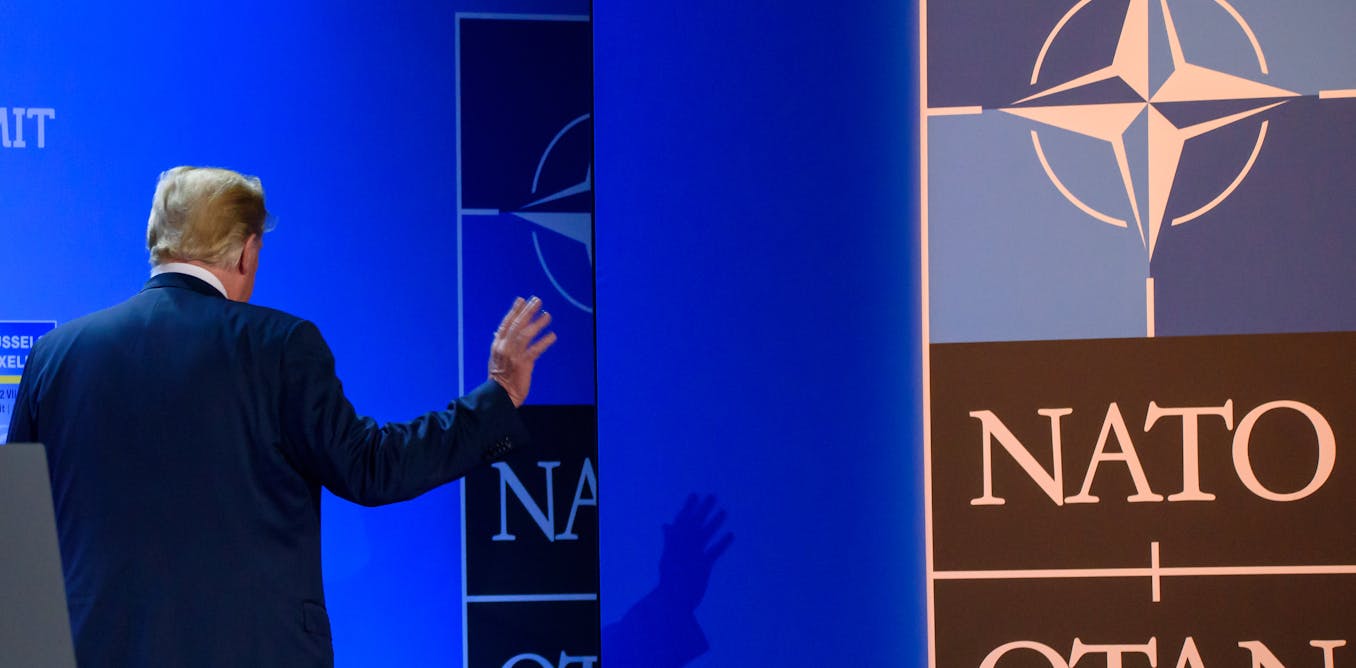
By Stefan Wolff, Professor of International Security, University of Birmingham When Nato leaders meet for their annual summit in The Hague on Wednesday June 25, all eyes will be on … Continue reading “At June’s Nato summit, just keeping Donald Trump in the room will be seen as a victory”
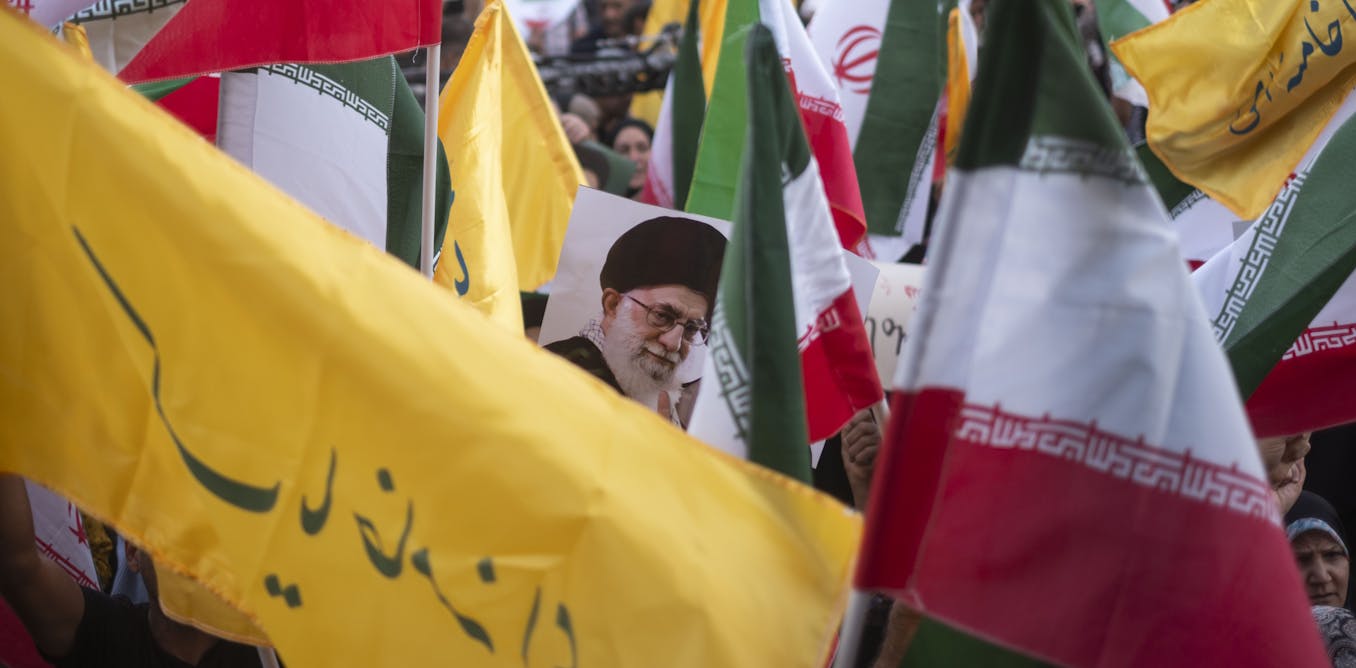
By Shukriya Bradost, Ph.D. Student of Planning, Governance and Globalization, Virginia Tech The 12-day confrontation between Iran and Israel in June 2025 may not have escalated into a full-scale regional … Continue reading “Iran emerged weakened and vulnerable after war with Israel − and that could mean trouble for country’s ethnic minorities”
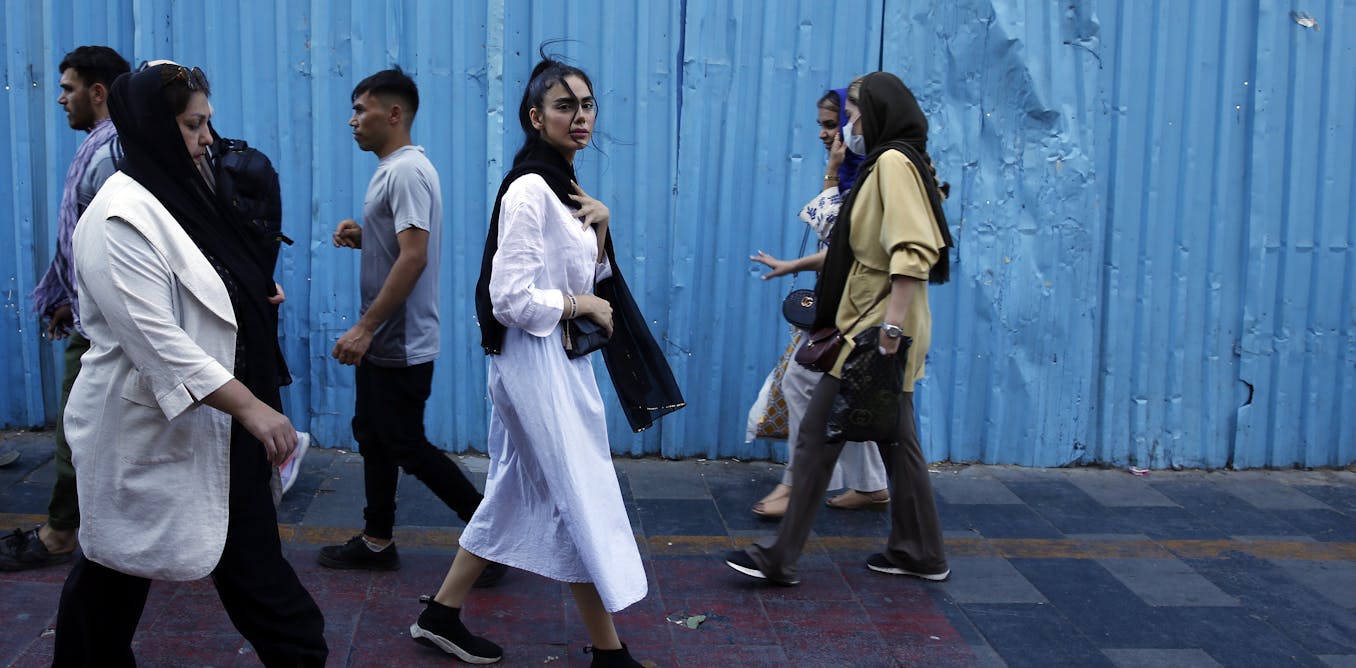
By Simon Theobald, Postdoctoral researcher, Institute for Ethics and Society, University of Notre Dame Australia From 2015 to 2018, I spent 15 months doing research work in Mashhad, Iran’s second-largest … Continue reading “Do all Iranians hate the regime? Hate America? Life inside the country is more complex than that”

By Joscha Abels, Post-Doctoral Researcher, Institute of Political Science, University of Tübingen It was the briefest of messages, but the potential consequences could have been significant. Elon Musk posted a … Continue reading “In the sky over Iran, Elon Musk and Starlink step into geopolitics – not for the first time”
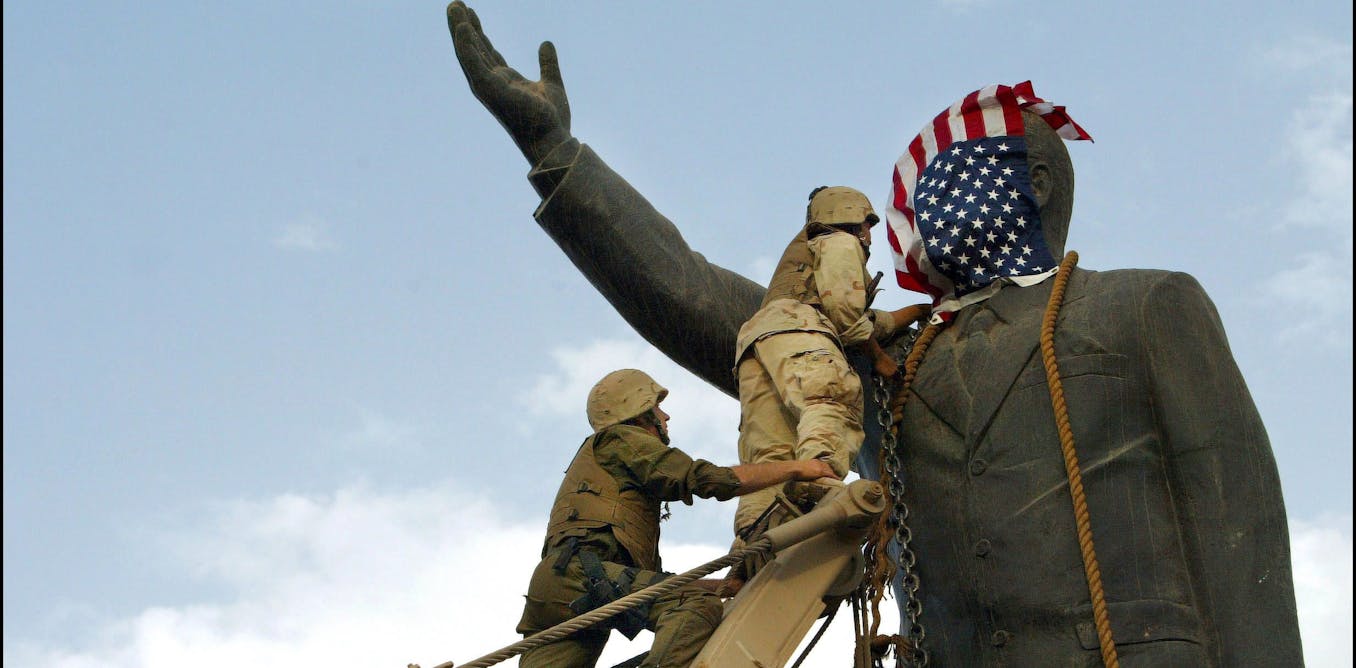
By Andrea Stanton, Associate Professor of Islamic Studies & Faculty Affiliate, Center for Middle East Studies, University of Denver After 12 days of trading deadly airstrikes, Israel and Iran confirmed … Continue reading “Israel-Iran war recalls the 2003 US invasion of Iraq – a war my undergraduate students see as a relic of the past”
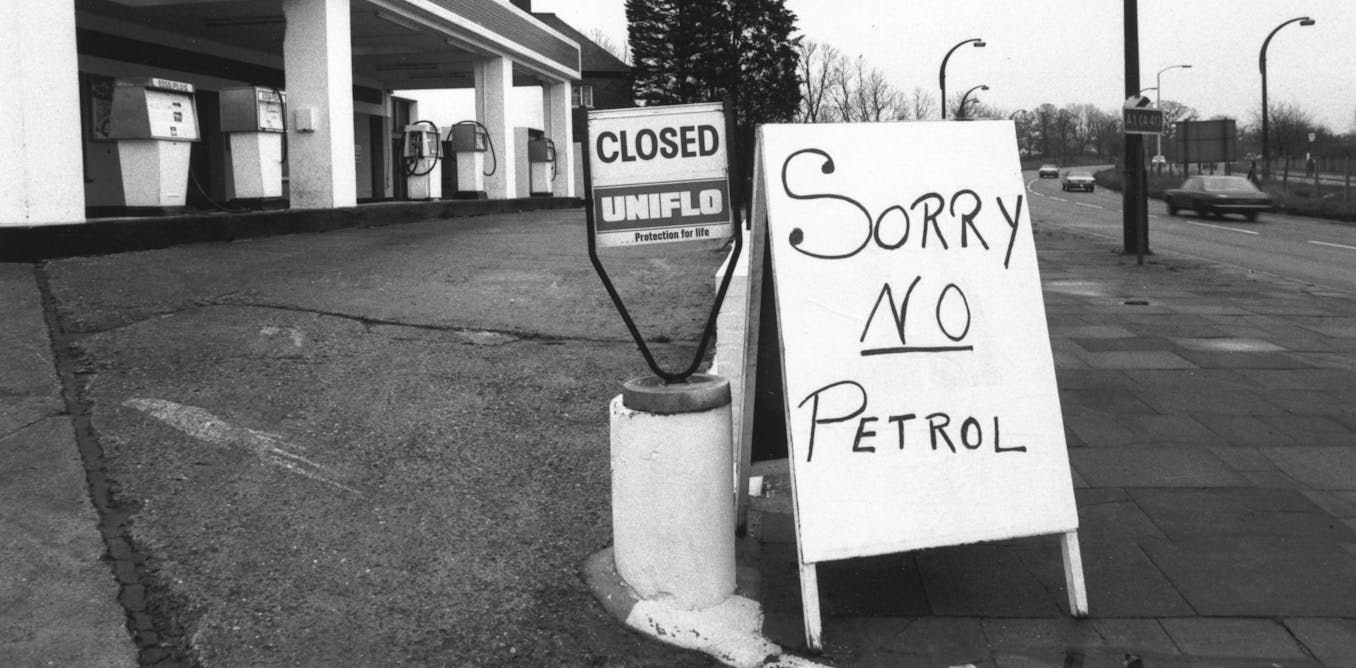
By Hussein Dia, Professor of Future Urban Mobility, Swinburne University of Technology As the world watches the US–Iran situation with concern, the ripple effect from these events are reaching global … Continue reading “Oil shocks in the 1970s drove rapid changes in transport. It could happen again if Middle East tensions continue”
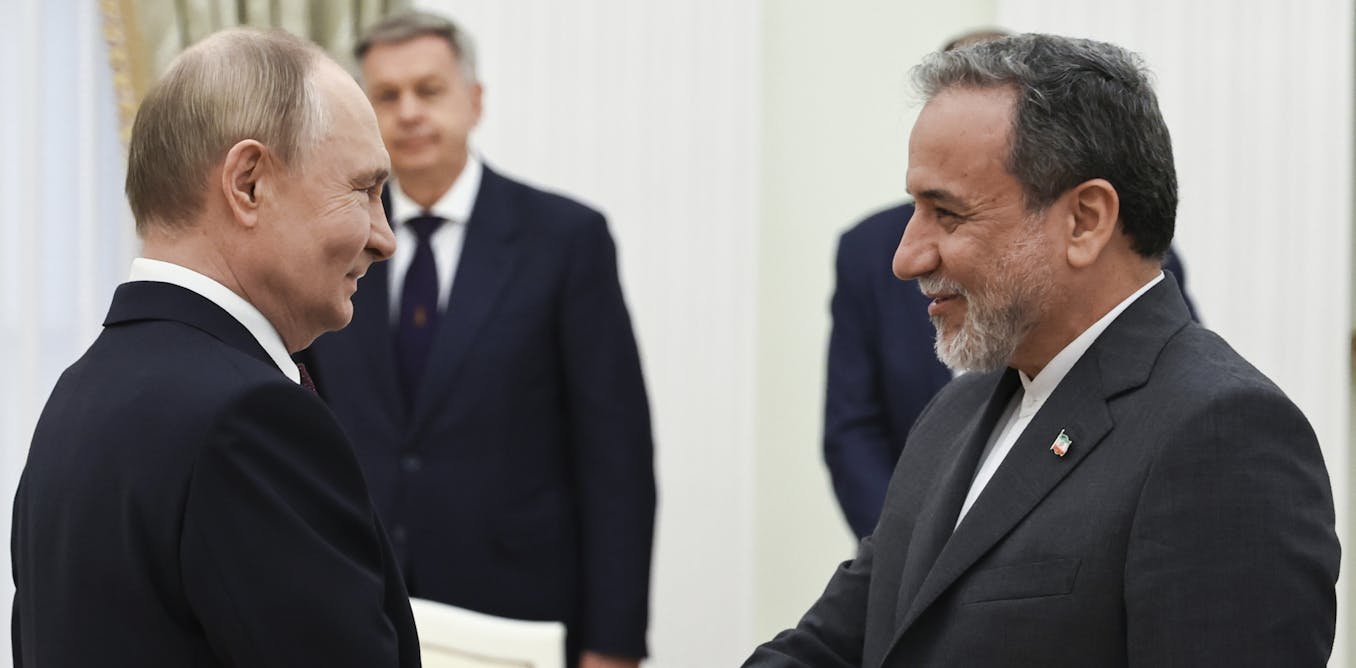
By James Horncastle, Assistant Professor and Edward and Emily McWhinney Professor in International Relations, Simon Fraser University The American intervention in Iran is being touted as an outstanding success by … Continue reading “How Israeli and U.S. strikes against Iran were facilitated by the Russia-Ukraine war”
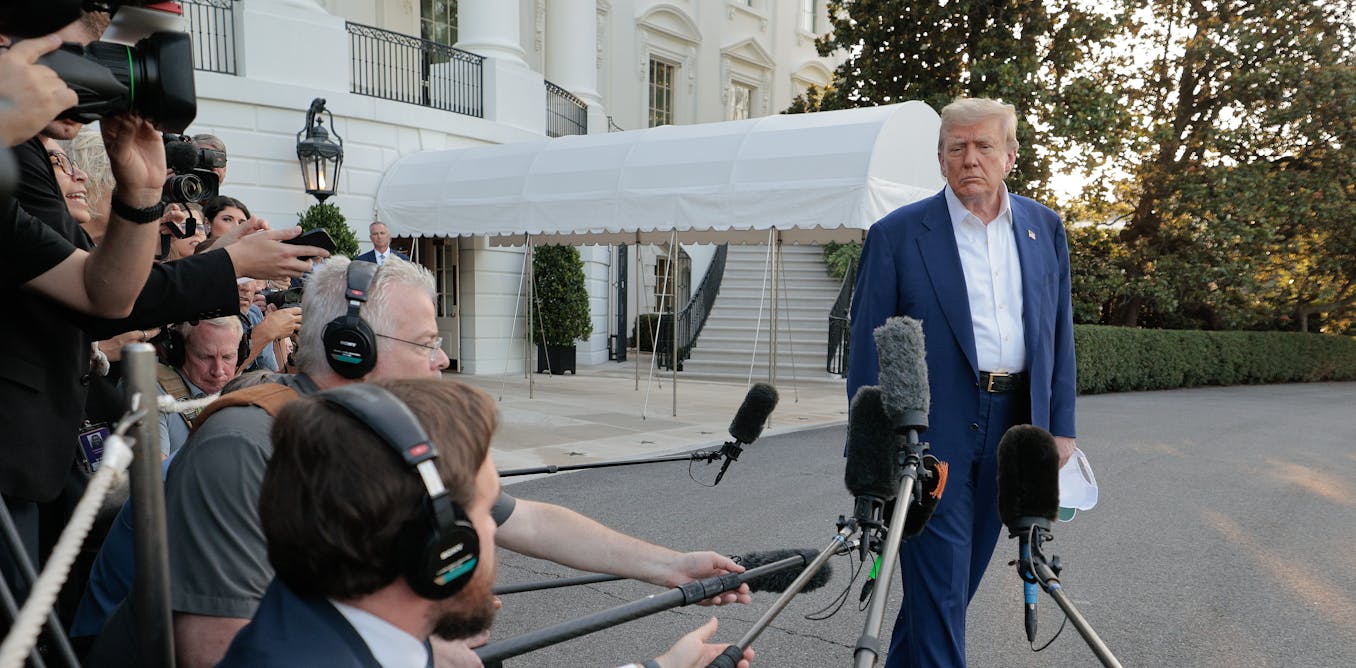
By Donald Heflin, Executive Director of the Edward R. Murrow Center and Senior Fellow of Diplomatic Practice, The Fletcher School, Tufts University Within hours of President Donald Trump unexpectedly announcing … Continue reading “Ceasefires like the one between Iran and Israel often fail – but an agreement with specific conditions is more likely to hold”

By Ismail Albayrak, Professor of Islam and Catholic Muslim Relations, Australian Catholic University In our guides to the classics, experts explain key literary works.Ibn Battuta, was born in Tangier, Morocco, … Continue reading “Ibn Battuta, a 14th-century judge and ambassador, travelled further than Marco Polo. The Rihla records his adventures”